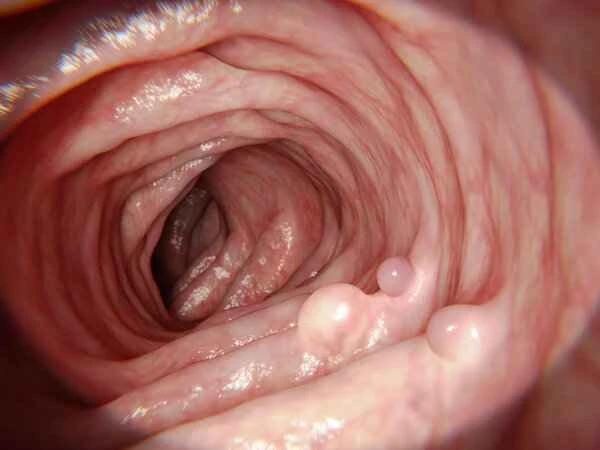
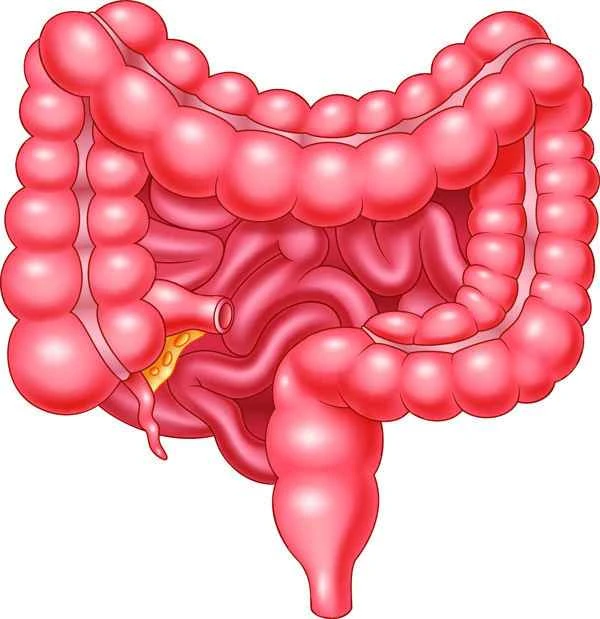
Intestinal obstruction is a very painful condition for children. Intestinal obstruction occurs when a part of the intestine is blocked, preventing the normal passage of food and fluids. This obstruction can be caused by a variety of factors, including volvulus, intussusception, and adhesions. When the intestines are blocked, gas and fluid cannot be expelled normally, leading to severe abdominal pain. Children may exhibit symptoms such as crying, vomiting, and abdominal distension.
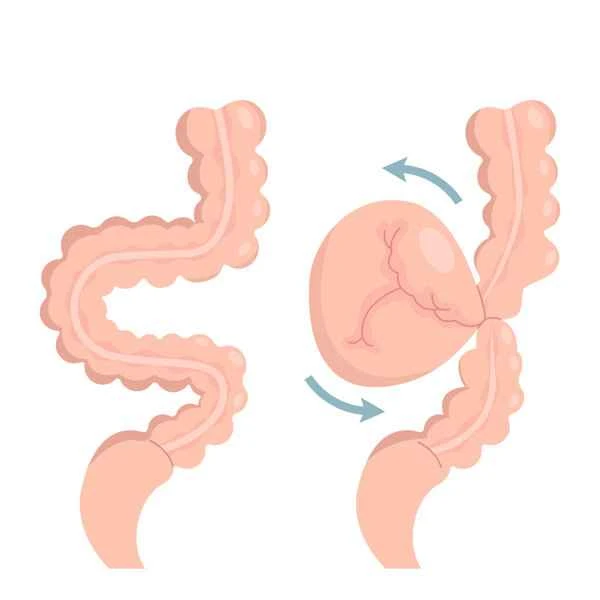
The intensity of pain can vary depending on individual differences and the specific cause of the intestinal obstruction. In the early stages of intestinal obstruction, a child may experience mild abdominal discomfort or pain, which may be mistaken for a common stomach ache. As the obstruction progresses, the pain gradually intensifies, becoming very severe and persistent. This pain is often described as colic, accompanied by a strong feeling of abdominal distension. The child may be unable to remain still or even stand or walk due to the pain. Intestinal obstruction can also cause vomiting, which may contain bile, further exacerbating the child's discomfort. In some severe cases, intestinal obstruction can lead to impaired blood circulation in the intestines, resulting in intestinal necrosis. In such cases, the pain becomes extremely intense and life-threatening.

Treatment for intestinal obstruction depends on its cause and severity. Mild intestinal obstruction may be relieved by non-surgical methods such as fasting, gastrointestinal decompression, and fluid replacement. Severe intestinal obstruction, especially those caused by volvulus or intussusception, may require emergency surgery to relieve the obstruction and restore normal bowel function. During surgery, the doctor will examine the intestines, remove any obstructions, and repair any damaged tissue. Post-surgery, the child will need close monitoring in the hospital to ensure normal bowel function has been restored.

[Management Tip:]
1. Closely observe the child's abdominal condition, paying attention to symptoms such as abdominal pain, vomiting, and bloating.
2. If a child shows symptoms of intestinal obstruction, seek medical attention immediately to avoid delaying treatment.
3. During treatment, follow your doctor's instructions and arrange your diet and rest appropriately.