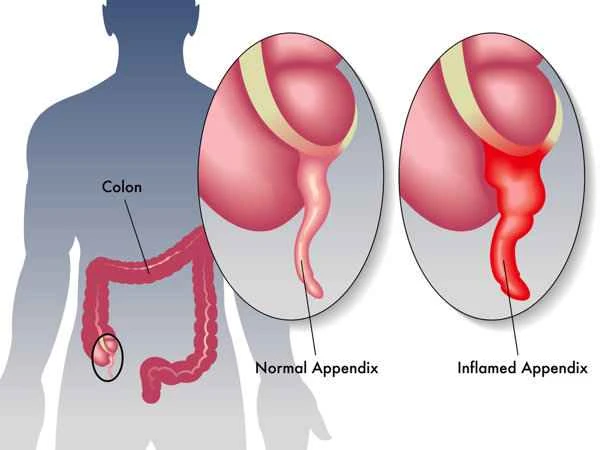
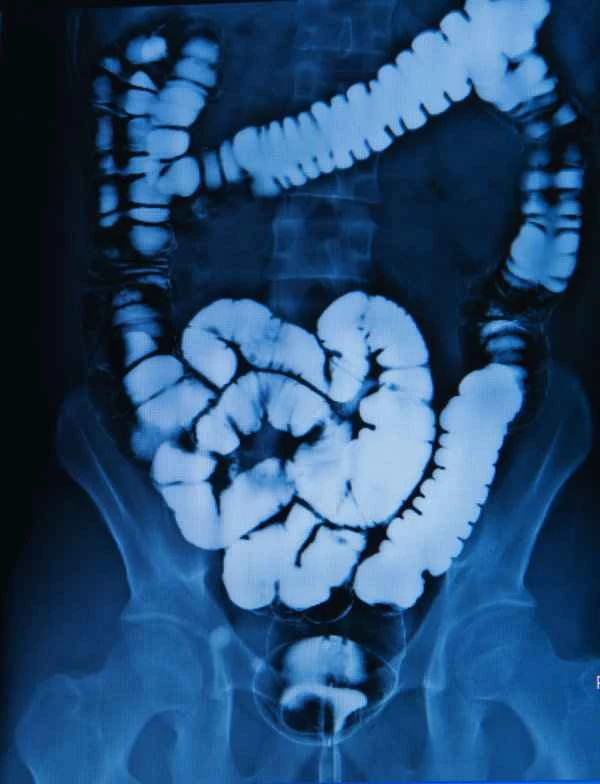
Many people wonder whether small polyps found during a colonoscopy mean cancer. Small polyps are usually benign, but their presence does require further evaluation to determine their nature.
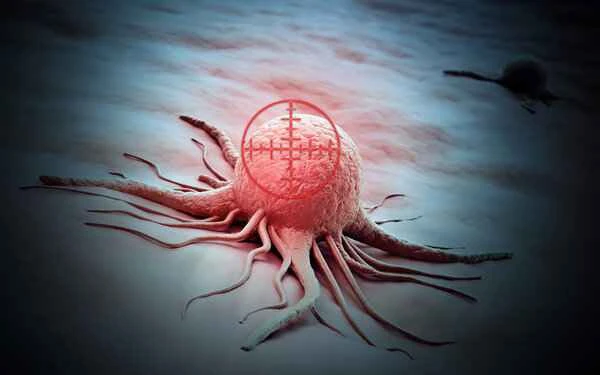
Small polyps are a common finding during colonoscopies, and most are benign, such as hyperplastic polyps and inflammatory polyps. These polyps usually do not cause pain or other obvious symptoms, and their appearance may be related to factors such as diet and lifestyle. Some small polyps may also have a potential risk of malignant transformation, such as adenomatous polyps, which can potentially develop into cancer. If a polyp has an irregular shape, abnormal color, or grows rapidly, these characteristics may indicate the need for further evaluation and monitoring.
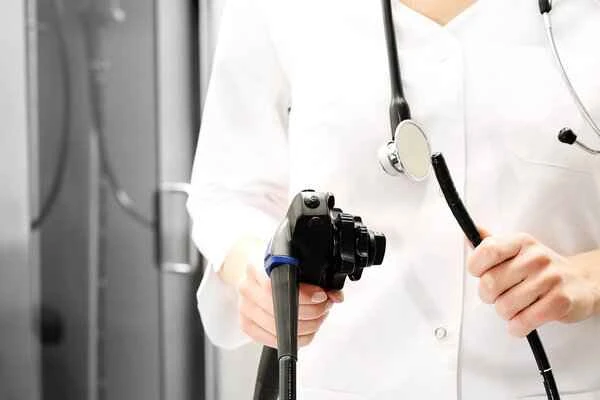
Small polyps discovered during colonoscopy are usually determined through biopsy. If the polyp is removed and examined pathologically, the doctor can determine whether it has a tendency to become cancerous. For small polyps, doctors usually recommend regular follow-up examinations to monitor changes in the polyp.
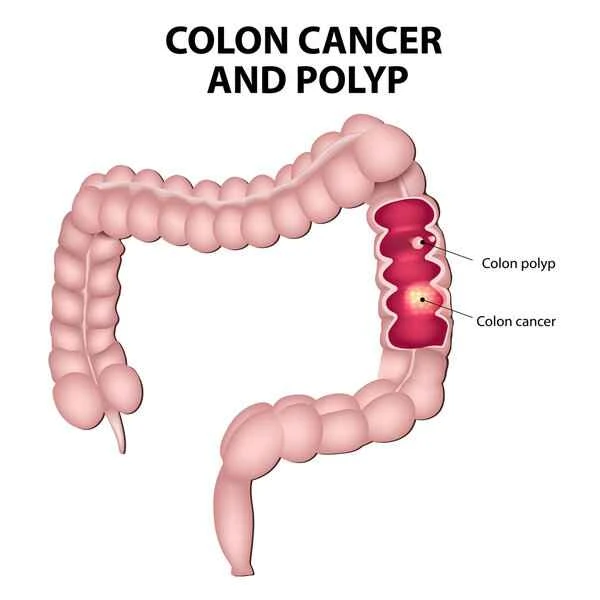
Warning signs include the shape, size, number of polyps, and whether there is bleeding. If a polyp grows rapidly, becomes irregularly shaped, or bleeds significantly, you should seek immediate medical attention for further examination. Common misconceptions include the belief that all polyps will develop into cancer, or that asymptomatic polyps are harmless. In reality, the nature of a polyp needs to be determined through professional examination, and there is significant individual variation; therefore, professional diagnosis is crucial.
[Prevention Tips:]
1. Maintain a healthy lifestyle, including a balanced diet, moderate exercise, and quitting smoking and limiting alcohol consumption.
2. Have regular intestinal health checkups, especially for people with a family history of the disease.
3. Pay attention to changes in your body. If you experience persistent abdominal pain, changes in bowel habits, or rectal bleeding, seek medical attention promptly.