Whether medication is needed after colonoscopy to remove polyps depends on the nature of the polyp and the recovery process after removal.

Whether medication is needed after colonoscopy to remove polyps depends primarily on the nature of the polyp and the recovery process. If the polyp is benign, only basic medications may be needed to alleviate postoperative discomfort, such as painkillers or anti-inflammatory drugs. If the polyp has a tendency to become malignant, or if inflammation or other complications are found during the removal process, the doctor may prescribe appropriate medications to control the condition, such as antibiotics to prevent infection, or other medications to reduce the inflammatory response. During the postoperative recovery period, to promote wound healing, patients may be advised to take medications that promote recovery, such as those that promote the restoration of bowel function.

During treatment, doctors will determine whether medication is necessary and, if so, what type, based on the patient's specific condition. This includes not only short-term medication after surgery but may also involve long-term preventative treatment to prevent polyp recurrence or other complications. These treatments must be conducted under the guidance of a doctor, and patients should follow their doctor's instructions and have regular check-ups to allow for timely adjustments to the treatment plan.
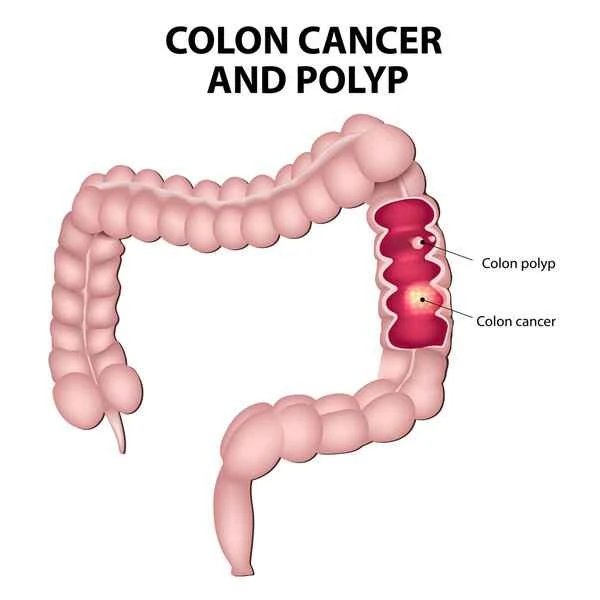
[Management Tip:]
1. Use painkillers or anti-inflammatory drugs as advised by your doctor.
2. Have regular check-ups to monitor for signs of polyp recurrence.
3. Adjust your diet, avoid spicy foods, and promote gut health.
4. If any abnormal symptoms occur, such as persistent abdominal pain or rectal bleeding, seek medical attention promptly.