The difficulty of treating small bowel obstruction depends on a variety of factors and cannot be generalized.
The difficulty in treating small bowel obstruction depends primarily on the cause, location, severity, and presence of complications. If the obstruction is caused by minor adhesions or mild volvulus without significant complications, non-surgical treatments such as fasting, gastrointestinal decompression, fluid replacement, and electrolyte balance adjustments may alleviate the obstruction. However, if the obstruction is caused by severe tumors, hernias, inflammation, or other structural problems, or if it is accompanied by complications such as intestinal wall necrosis or perforation, surgical intervention may be necessary to relieve the obstruction, significantly increasing the difficulty and risks of treatment.
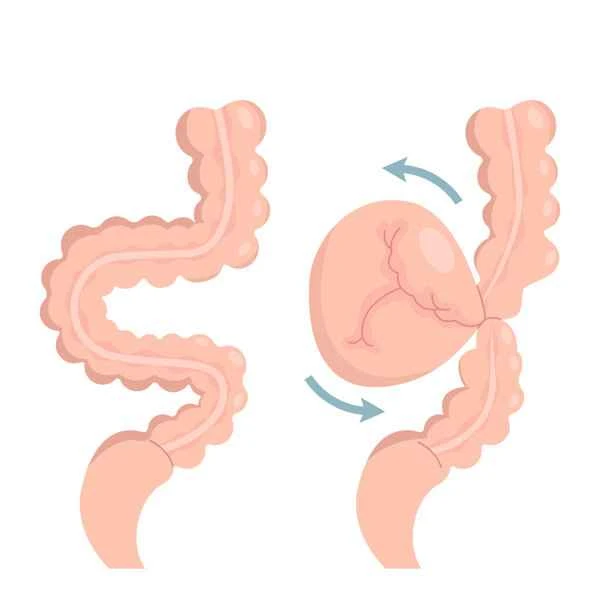
Treating small bowel obstruction can be complex for patients and their families, requiring complex decision-making. In some cases, even seemingly mild conditions can rapidly worsen and lead to serious complications if treatment is delayed or inappropriate. Accurate diagnosis and timely treatment decisions are crucial for improving prognosis. The treatment of bowel obstruction may involve prolonged fasting and gastrointestinal decompression, which can be challenging both physically and psychologically. Support and care throughout the treatment process are equally important.
[Management Tip:]
1. Regularly monitor the patient's vital signs and abdominal signs to detect changes in the condition in a timely manner.
2. Adjust the patient's eating habits, avoid high-fiber foods, and reduce the burden on the intestines.
3. If you experience severe abdominal pain, vomiting, or bloating, seek medical attention promptly to avoid delaying treatment.