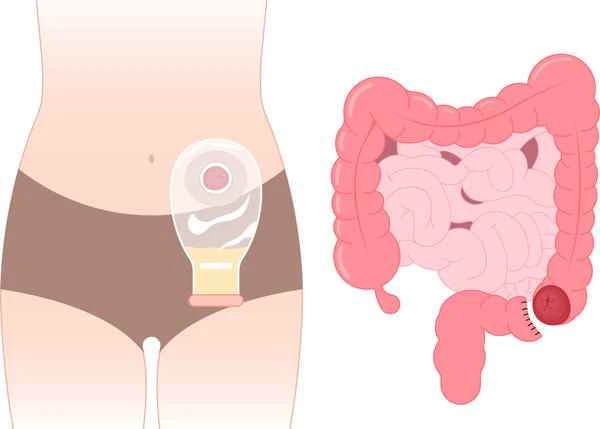
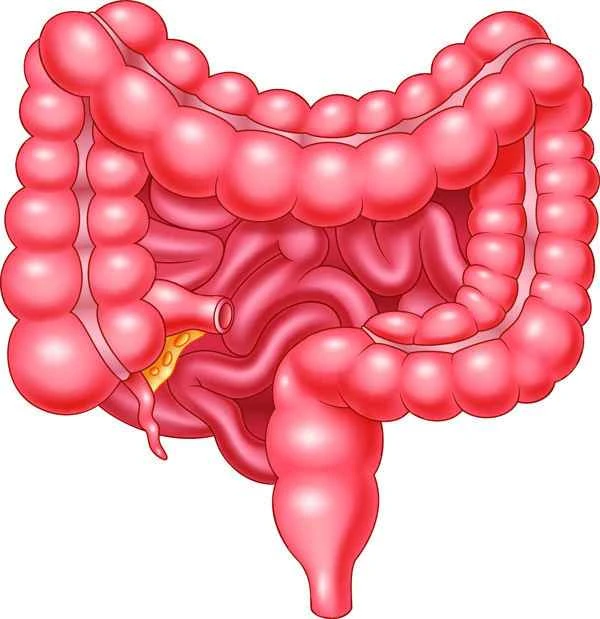
Protecting intestinal polyps essentially involves reducing their growth and the risk of malignant transformation through a series of lifestyle and medical interventions. The key to protecting intestinal polyps lies in controlling their development and preventing them from turning into malignant tumors through a reasonable diet, regular medical checkups, and, when necessary, medication or surgical intervention.

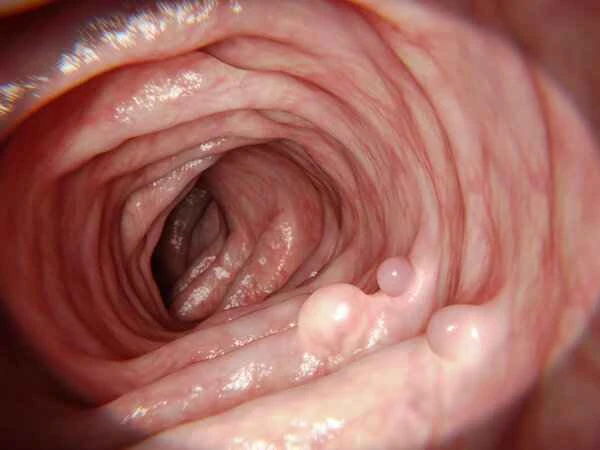
Strategies for protecting against intestinal polyps mainly include dietary control, regular checkups, and necessary medical intervention. Dietary control is one of the important means of protecting against intestinal polyps. By reducing the intake of high-fat and high-protein foods and increasing dietary fiber intake, the incidence of polyps can be effectively reduced. Regular checkups are an important means of early detection of polyps. Colonoscopy can detect polyps in time and remove them, preventing them from developing into malignant tumors. In some cases, doctors may recommend the use of medication to control polyp growth, such as nonsteroidal anti-inflammatory drugs (NSAIDs), to reduce polyp growth and the risk of malignant transformation.

In addition to the strategies mentioned above, protecting against intestinal polyps also requires avoiding some common misconceptions. For example, some people may believe that simply avoiding high-fat foods can completely prevent the occurrence of intestinal polyps, which is incorrect. In fact, the occurrence of intestinal polyps is related to a variety of factors, including genetics and environment, and dietary control alone is insufficient. Some people may overlook the importance of regular checkups, believing that they do not need to be checked because they have no obvious symptoms. This view is also wrong, because intestinal polyps may not have obvious symptoms in the early stages, but regular checkups can help detect and treat them in time.
[Management Tip:]
1. Maintain a balanced diet, increase dietary fiber intake, and reduce the intake of high-fat and high-protein foods.
2. Have regular colonoscopies to detect and treat polyps promptly.
3. Follow your doctor's instructions and use medication as needed to control the growth of polyps and the risk of malignant transformation.