Post-colonoscopy intestinal obstruction refers to a series of symptoms caused by the inability of the intestines to pass food or gas normally after a colonoscopy. In such cases, prompt medical attention is necessary to avoid further health risks.
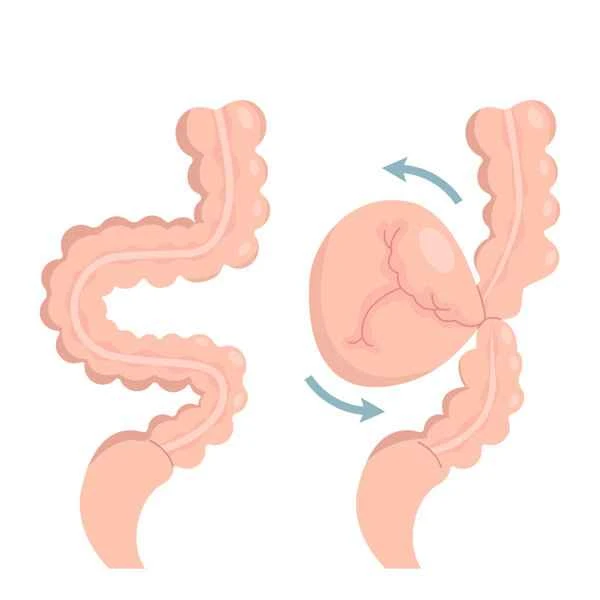
Management of bowel obstruction after colonoscopy primarily relies on identifying the cause and implementing appropriate treatment. Doctors will conduct further examinations, such as abdominal X-rays or CT scans, to determine the specific cause of the obstruction, including whether it is due to mechanical damage during the colonoscopy or bowel dysfunction caused by an inflammatory response following the procedure. Once the cause is determined, doctors may employ conservative treatments, such as fasting, gastrointestinal decompression, intravenous fluids, and nutritional support, to help the bowel function recover. In certain specific cases, surgical intervention may be necessary to relieve the obstruction.
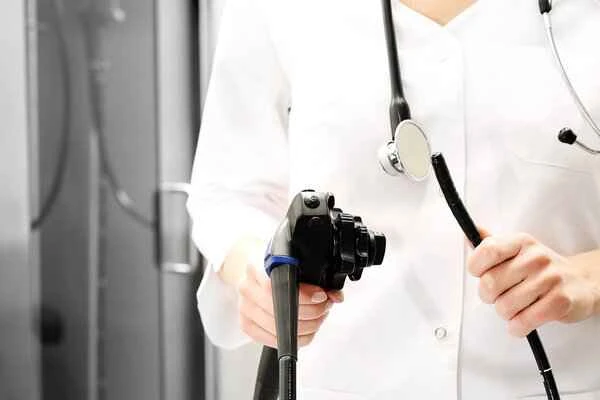
During treatment, patients need to closely monitor changes in their symptoms and follow their doctor's instructions regarding diet and activity adjustments. Medications may also be used to relieve symptoms, such as antispasmodics to relieve intestinal spasms, or antibiotics to prevent or treat infections. These measures work together to restore normal bowel function and prevent the condition from worsening.
When managing bowel obstruction following colonoscopy, patients and their families need to understand the potential risks and common misconceptions surrounding the treatment. Complications such as intestinal perforation and infection spread may occur during treatment, requiring close monitoring and timely management. Patients may mistakenly believe that mild symptoms will resolve on their own, neglecting the importance of seeking timely medical attention. Correct medical decisions often require a comprehensive consideration of the patient's specific condition and the doctor's professional advice to ensure the effectiveness and safety of the treatment.
[Management Tip:]
1. Seek immediate medical attention to avoid delaying treatment.
2. Follow your doctor's advice, adjust your diet, and avoid high-fiber foods.
3. Regular follow-up examinations to monitor intestinal recovery.
4. Get plenty of rest and avoid strenuous exercise.