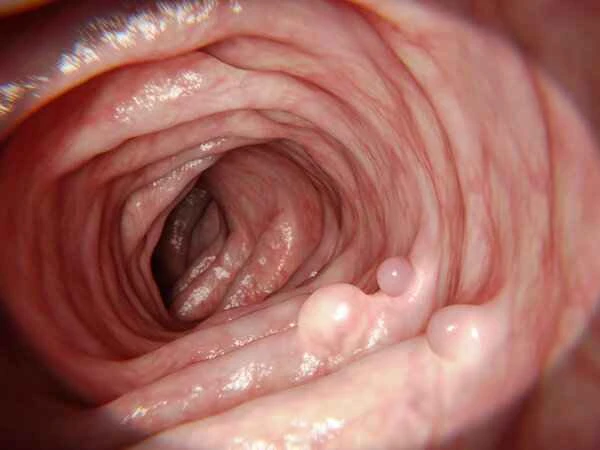
Whether it's feasible to avoid surgery for benign intestinal polyps depends on factors such as the polyp's size, shape, location, and the potential for malignancy. If the polyp is small and poses no risk of malignancy, regular observation can be chosen instead of immediate surgery. For larger polyps or those with a risk of malignancy, timely surgery is a safer option.

When deciding whether to perform surgery, doctors will consider factors such as the size, shape, location, and risk of malignancy of the polyp. Generally, smaller polyps without a risk of malignancy can be monitored regularly and do not require immediate surgery. For larger polyps or those with a risk of malignancy, timely surgery is a safer option. The shape and location of the polyp also affect treatment decisions. For example, larger polyps located in the colon or rectum are usually recommended for surgical removal because they may cause bleeding or obstruction. Polyps located in the small intestine, due to their deeper location, may be difficult to remove endoscopically and therefore may require surgical treatment.

When deciding whether surgery is necessary, doctors consider factors such as the size, shape, location, and risk of malignancy of the polyp. The shape and location of the polyp also influence treatment decisions. For example, larger polyps located in the colon or rectum are usually recommended for surgical removal because they may cause bleeding or obstruction. Polyps located in the small intestine, due to their deeper location, may be difficult to remove endoscopically and therefore may require surgical treatment. For smaller polyps without a risk of malignancy, regular observation may be a safer option.
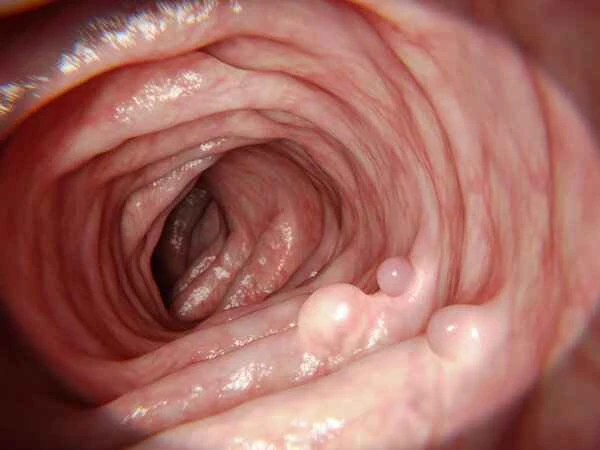
The management of benign intestinal polyps involves considering not only the characteristics of the polyp itself, but also the patient's overall health, surgical risks, and personal wishes. When deciding whether to perform surgery, doctors will comprehensively consider factors such as the polyp's size, shape, location, and the risk of malignancy, as well as the patient's overall health, surgical risks, and personal wishes. This makes treatment decisions complex and requires a comprehensive consideration of multiple factors.
[Management Tip:]
1. Have regular colonoscopies to detect and treat polyps promptly.
2. Maintain a healthy lifestyle, including a balanced diet and moderate exercise.
3. If you experience persistent abdominal pain, rectal bleeding, or other symptoms, you should seek medical attention promptly.