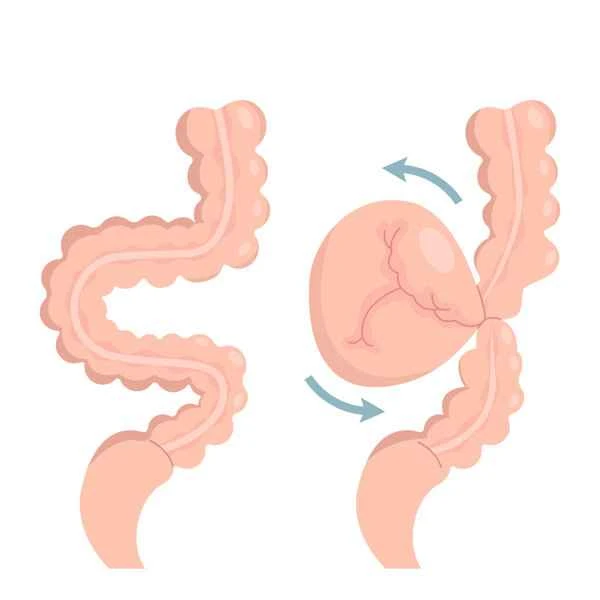
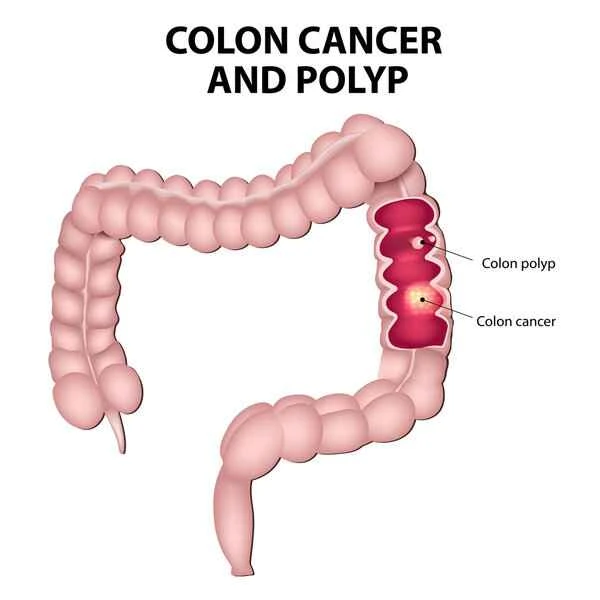
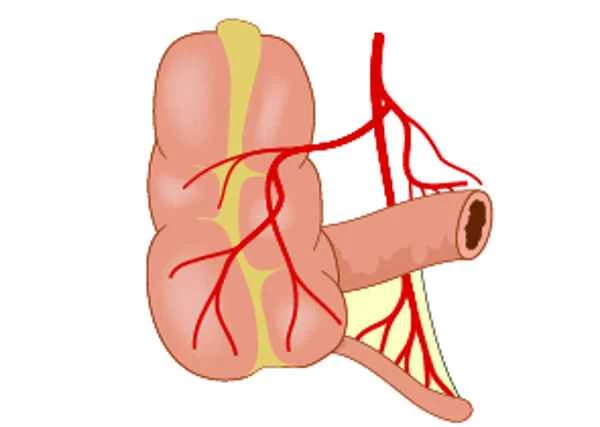
Sigmoid polyps do not usually directly cause tenesmus. Tenesmus, which is the feeling of urgent need to defecate but with very little actual stool, is more commonly seen in diseases such as inflammatory bowel disease, proctitis, or rectal cancer.
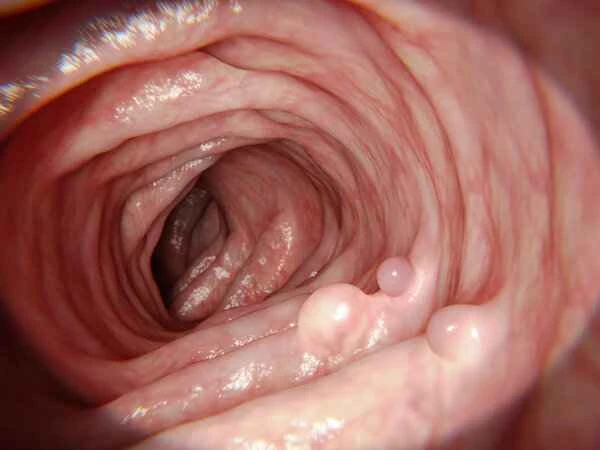
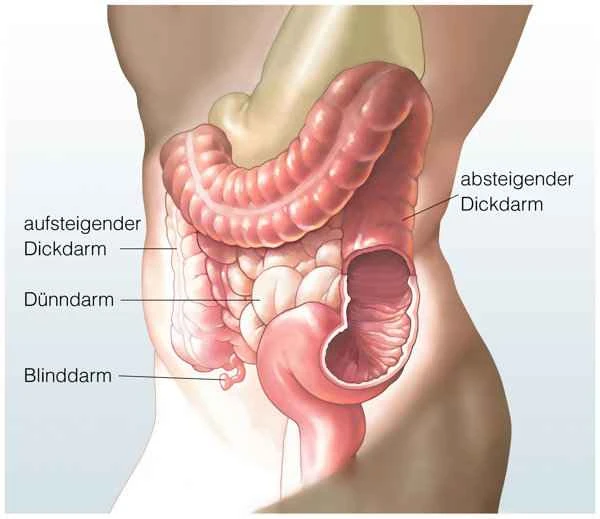
Sigmoid polyps are benign growths that form within the sigmoid colon (part of the large intestine). In most cases, polyps are asymptomatic and are only discovered during a physical examination or endoscopic examination for other reasons. The size, number, and location of the polyp may affect the appearance of symptoms, but generally, polyps themselves do not cause tenesmus. If the polyps are large or numerous, they may cause partial intestinal obstruction, leading to symptoms such as abdominal pain, constipation, or rectal bleeding. In rare cases, polyps may trigger an inflammatory response, indirectly causing symptoms similar to tenesmus, but this is not a primary characteristic of polyps.
[Management Tip:]

1. Have regular colonoscopies to detect polyps early.
2. Adjusting your diet and increasing your intake of dietary fiber can help prevent the formation of polyps.
3. If you experience persistent abdominal pain, constipation, or rectal bleeding, you should seek medical attention promptly.