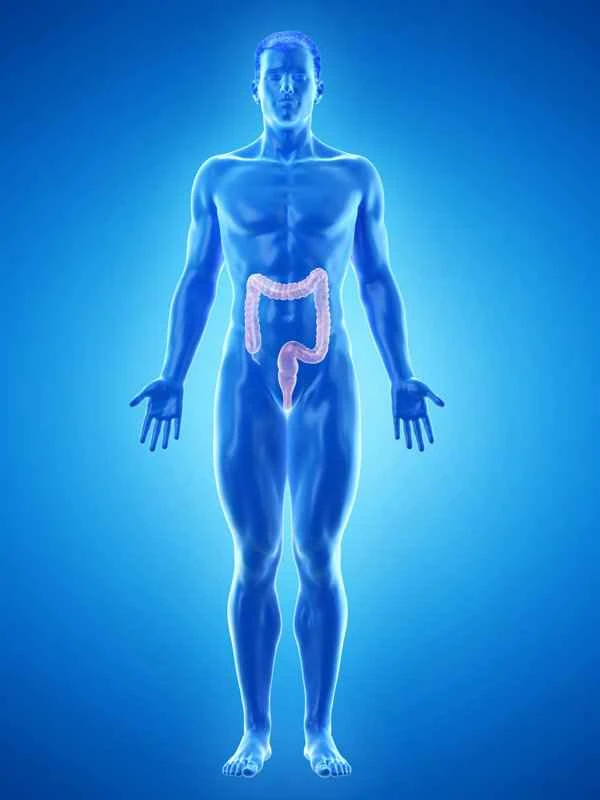
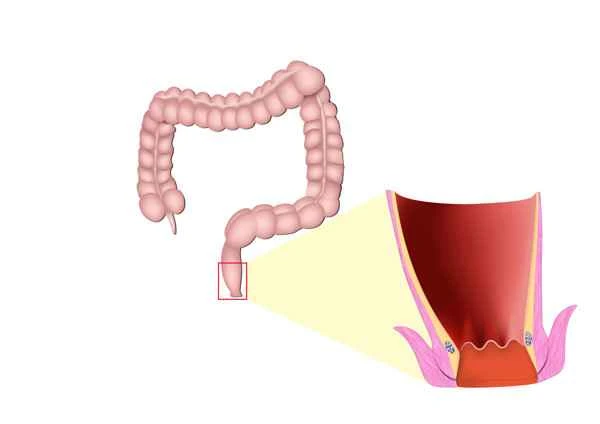
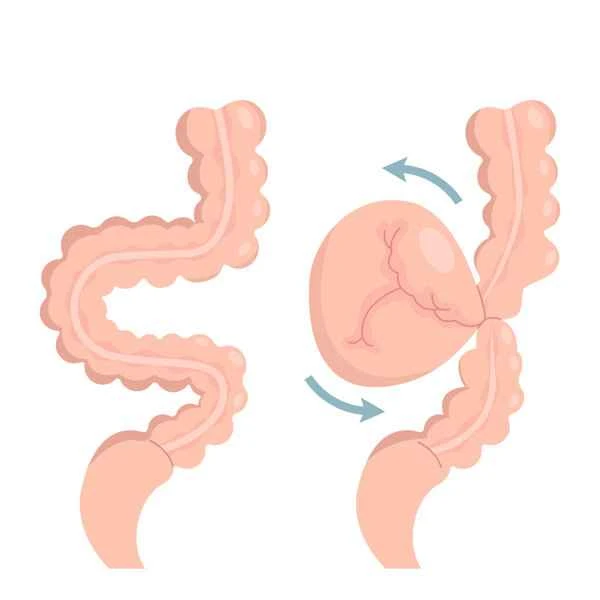
Rectal bleeding caused by intestinal polyps is usually intermittent, not continuous. Intestinal polyps are abnormal lumps that form on the inner wall of the intestine; they can be benign, but they can also be a precursor to malignancy. Rectal bleeding caused by intestinal polyps is usually due to the rupture of blood vessels on the surface of the polyp. This rupture often occurs during or after defecation, therefore the bleeding is usually intermittent. If the polyps are large or numerous, it may lead to continuous bleeding, which requires immediate medical attention.
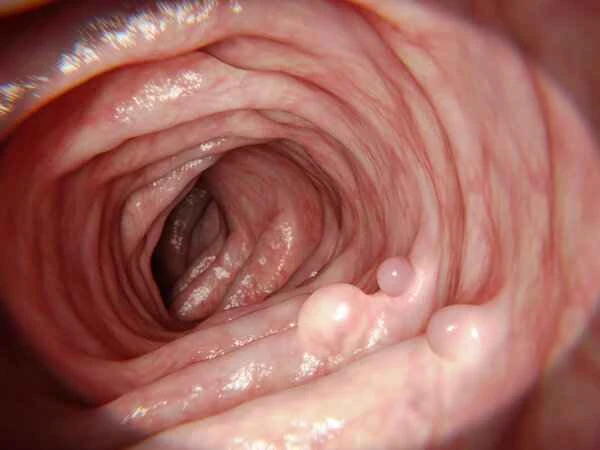
Rectal bleeding caused by intestinal polyps is related not only to the size and number of polyps, but also closely to their location and type. For example, if the polyp is located in the rectum or sigmoid colon, the likelihood of rectal bleeding is higher. The type of polyp also affects the bleeding; for example, adenomatous polyps and inflammatory polyps are more likely to cause bleeding. Continuous rectal bleeding usually indicates the presence of other more serious health problems, such as intestinal inflammation, ulcers, or other types of tumors. If continuous rectal bleeding occurs, you should seek medical help immediately for further examination and treatment.

When treating rectal bleeding caused by intestinal polyps, in addition to considering the characteristics of the polyp itself, it is also necessary to consider the patient's overall health and potential complications. For example, long-term chronic bleeding may lead to anemia, which in turn affects the patient's physical strength and quality of life. Persistent bleeding may also indicate that the polyp has become malignant, requiring treatment through endoscopic removal or other surgical methods. When dealing with rectal bleeding caused by intestinal polyps, one should not focus solely on the polyp itself, but should comprehensively consider the patient's health status and potential risks, and provide timely medical intervention.

[Management Tip:]
1. Have regular colonoscopies, especially for people with a family history or personal medical history.
2. Adjust your diet, increase your intake of dietary fiber, and reduce your intake of high-fat and high-protein foods.
3. If you experience persistent rectal bleeding, abdominal pain, or weight loss, you should seek medical attention promptly.