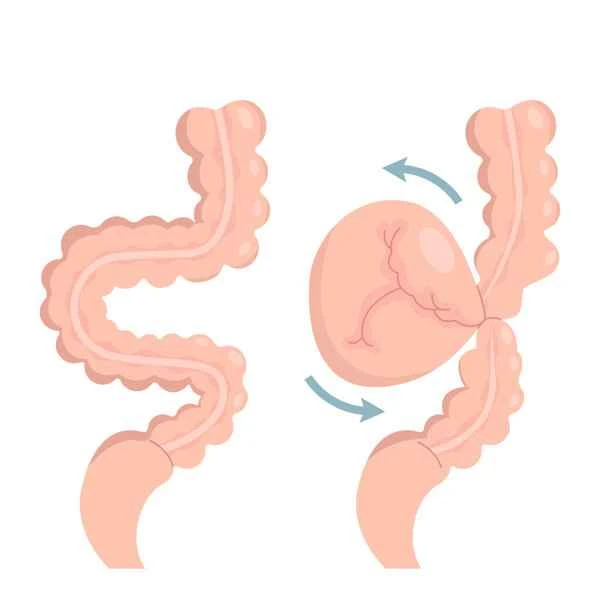
Taking motion sickness pills usually does not cause intestinal obstruction.
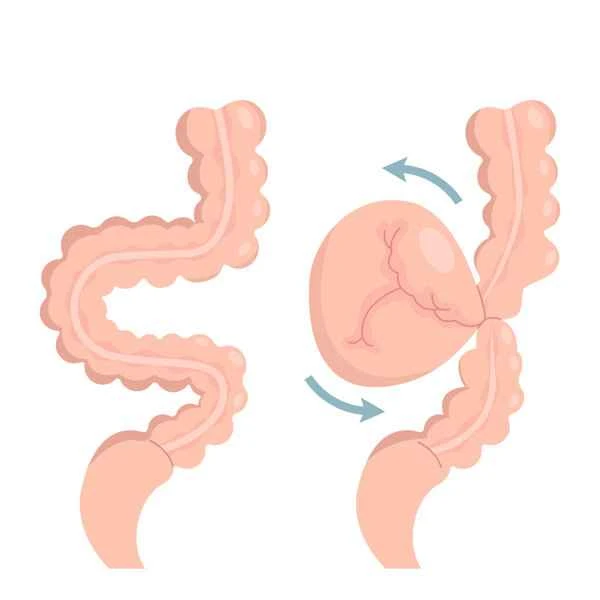
Motion sickness pills, a common medication used to relieve motion sickness symptoms, contain ingredients such as dimenhydrinate, which reduce nausea, vomiting, and other discomfort by inhibiting the central nervous system. Under normal use, this medication will not cause intestinal obstruction.

When discussing the relationship between motion sickness pills and intestinal obstruction, we must first recognize that the mechanism of action of these drugs has been rigorously studied and clinically validated, and their side effects are controllable within a certain range. Understanding the scope of use and potential risks of these drugs is crucial for ensuring safe medication use.

In principle, motion sickness pills primarily work by acting on chemicals in the brain to relieve symptoms, rather than directly affecting the digestive tract. Taking motion sickness pills at the recommended dosage generally will not cause intestinal obstruction. If any abnormalities occur, such as severe abdominal pain or constipation after taking the medication, you should seek medical attention promptly to rule out other possible health problems.
【Useful Tips:】
1. Motion sickness pills should be used under the guidance of a doctor, especially for people with a history of gastrointestinal diseases.
2. Strictly follow the recommended dosage to avoid overdose.
3. Pay attention to your body's reactions; if any abnormalities occur, seek medical attention promptly.
4. Those allergic to any of the drug's ingredients should avoid using it.