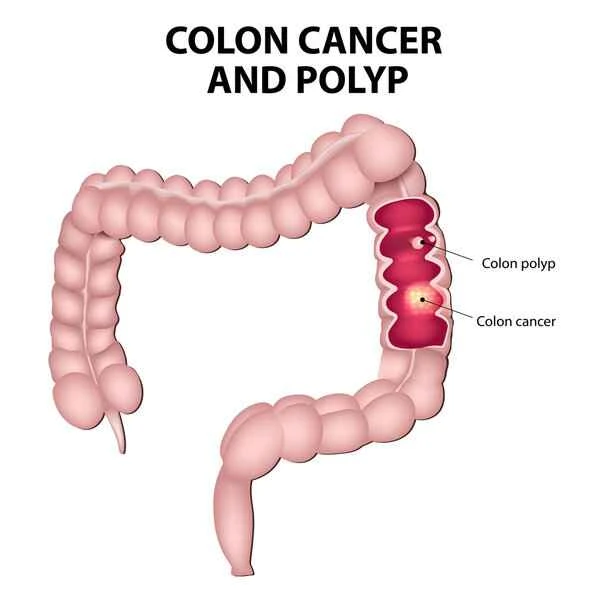
The key to treating intestinal obstruction with spleen and stomach weakness lies in choosing medications that can alleviate the symptoms of intestinal obstruction and improve the state of spleen and stomach weakness. The primary strategy in treating intestinal obstruction with spleen and stomach weakness is to alleviate symptoms and improve spleen and stomach function through medication. The choice of medication depends on the patient's specific condition, including the type and severity of intestinal obstruction and the degree of spleen and stomach weakness. Drug treatment typically includes interventions that promote intestinal motility, relieve abdominal pain, and improve digestive function. When selecting medication, doctors will comprehensively consider the patient's condition, the drug's mechanism of action, and potential side effects to develop the most appropriate treatment plan.
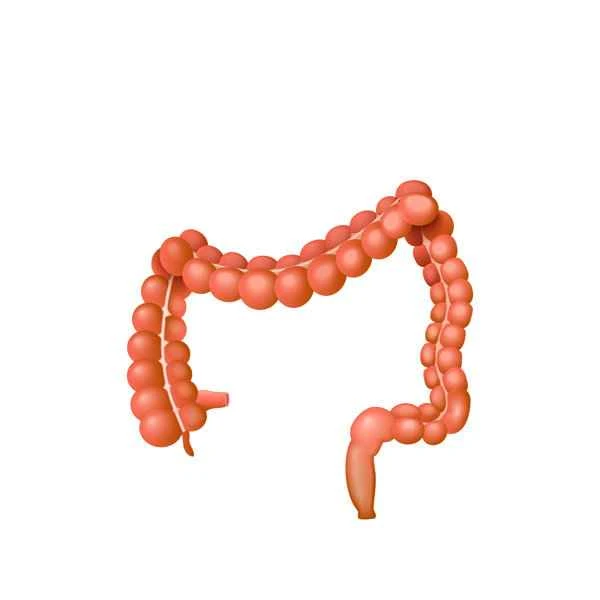
There may be some risks and misconceptions in treating intestinal obstruction and spleen-stomach weakness. While medication can relieve symptoms, it cannot completely replace other treatments, such as dietary adjustments and lifestyle changes. Different types of intestinal obstruction and spleen-stomach weakness may require different drug combinations and treatment plans; therefore, patients should not choose medications on their own but should undergo treatment under the guidance of a doctor. Some patients may mistakenly believe that medication can quickly cure the disease, neglecting long-term management and adjustments, which may lead to recurrence or worsening of the condition. During treatment, patients should remain patient, follow their doctor's advice, and carefully observe changes in their condition, adjusting the treatment plan promptly.
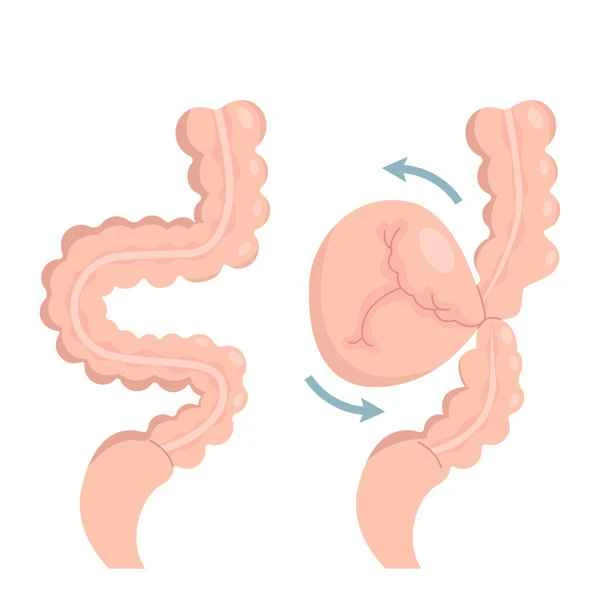
[Management Tip:]
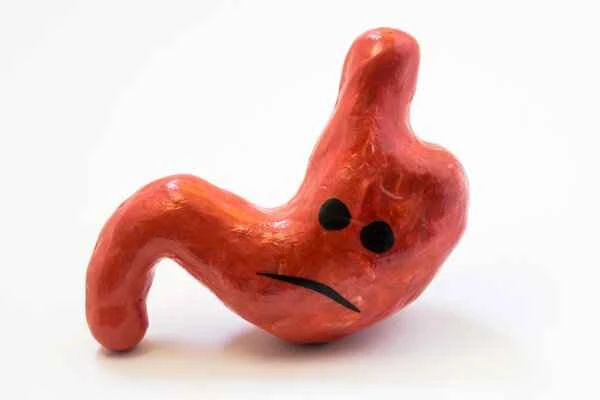
1. Regularly monitor intestinal function and spleen and stomach health.
2. Adjust your diet and avoid consuming highly stimulating foods.
3. Seek medical attention promptly if you experience severe abdominal pain, vomiting, or other symptoms.