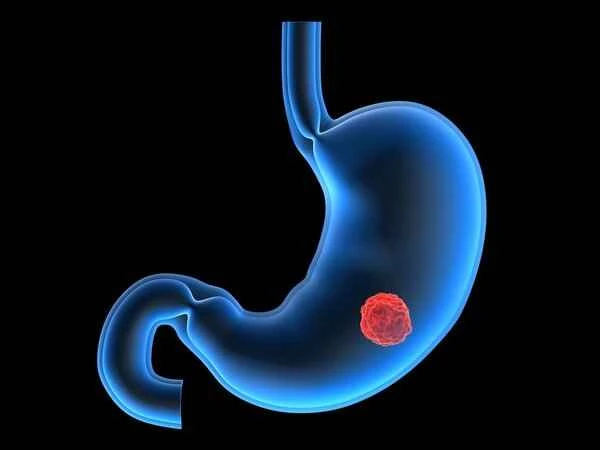
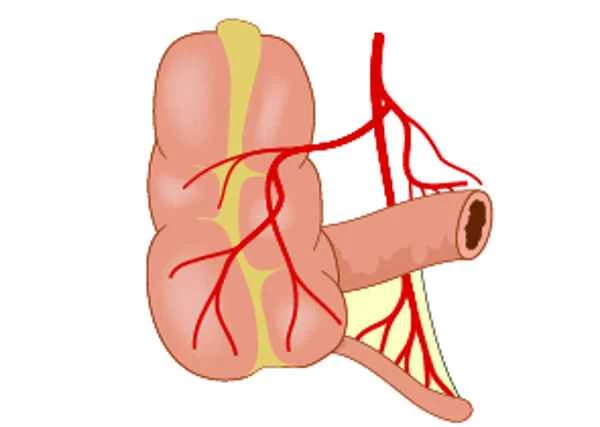
Intestinal obstruction is a common abdominal condition characterized by the inability of intestinal contents to pass normally through the intestines. Intestinal obstruction can be caused by a variety of factors, including intestinal tumors, inflammation, adhesions, or foreign bodies blocking the passage. Understanding the symptoms of intestinal obstruction is crucial for early recognition and timely medical attention.
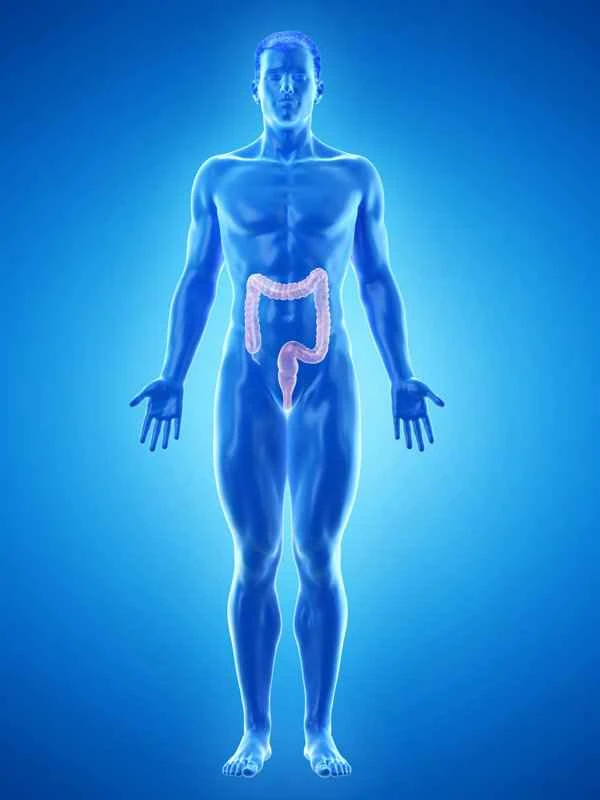
Typical symptoms of intestinal obstruction include severe abdominal pain, abdominal distension, vomiting, and cessation of gas and stool passage. Abdominal pain is usually intermittent and colicky, located in the central or lateral abdomen, and its intensity may vary over time. Abdominal distension occurs because gas and fluid in the intestines cannot pass smoothly, causing significant bloating. Vomiting is often one of the early symptoms of intestinal obstruction; the vomitus may consist of stomach contents or contain bile. Cessation of gas and stool passage is a clear sign of intestinal obstruction, meaning that intestinal contents are not being expelled normally.
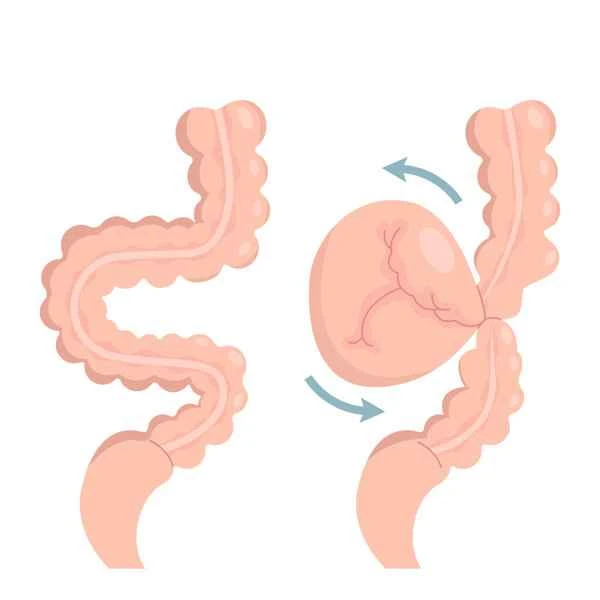
Intestinal obstruction may also be accompanied by symptoms such as dehydration, electrolyte imbalance, and fever. The appearance of these symptoms may indicate a more serious condition requiring immediate medical attention. It is important to note that the symptoms of intestinal obstruction can be similar to those of other abdominal diseases. If you experience any of these symptoms, especially if they persist or worsen, you should seek medical attention promptly for professional diagnosis and treatment.
[Prevention Tips]
1. Maintain regular eating habits and avoid overeating.
2. Pay attention to food hygiene and avoid eating unclean food.
3. Maintain moderate physical exercise to promote intestinal peristalsis.
4. Have regular physical examinations to detect and treat diseases that may lead to intestinal obstruction in a timely manner.