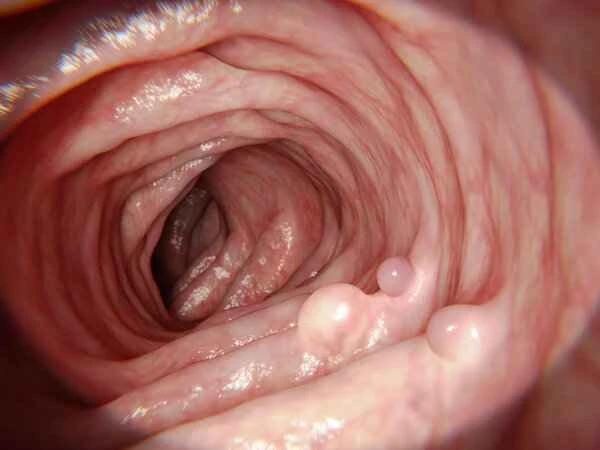
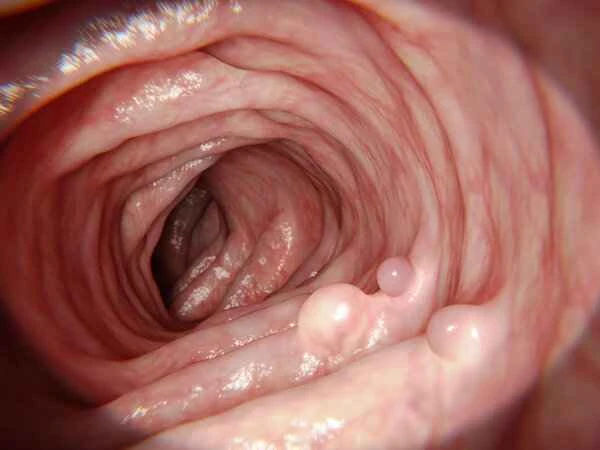
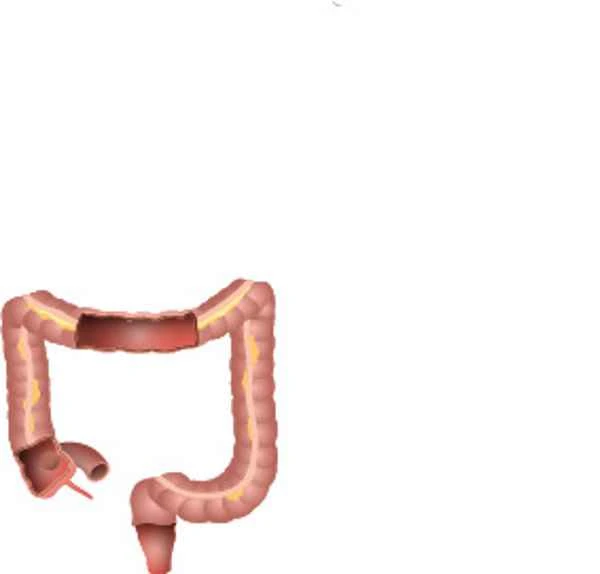
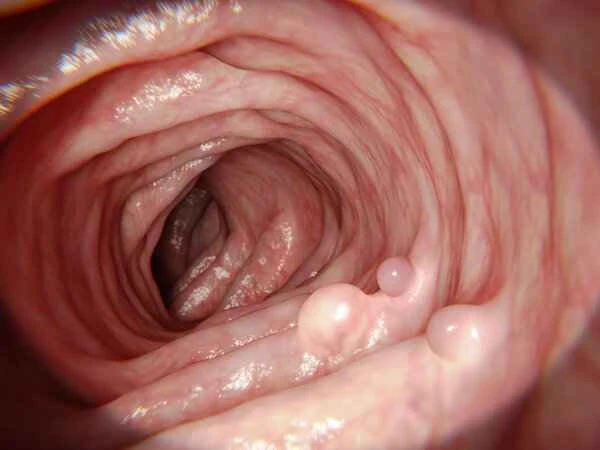
Whether intestinal polyps can be treated without medication depends on the nature and size of the polyp, and whether it causes symptoms. Intestinal polyps are abnormal tissues growing on the inner wall of the intestine. In most cases, they are benign, but they have the potential to develop into cancer, so they need to be treated with caution.
The treatment strategy for intestinal polyps depends on the type of polyp. Most intestinal polyps are adenomatous polyps, which have a potential risk of becoming cancerous, and therefore endoscopic removal is usually recommended. Smaller polyps, such as hyperplastic polyps or inflammatory polyps, have a lower risk of becoming cancerous and can sometimes be managed through dietary and lifestyle changes without necessarily requiring medication. Even for these polyps, regular endoscopic examinations are still necessary to ensure they have not changed.
The management of intestinal polyps involves more than just medication; it also includes dietary and lifestyle modifications. For example, a high-fiber diet helps maintain gut health and reduces the occurrence of polyps. Avoiding high-fat and high-calorie foods, as well as quitting smoking and limiting alcohol consumption, all help reduce the risk of polyp recurrence. These measures can be combined with medication to achieve the best treatment results.
[Management Tip:]
1. Have regular colonoscopies to monitor changes in polyps.
2. Adjust your diet and increase your intake of dietary fiber.
3. Maintain a healthy lifestyle and avoid smoking and excessive alcohol consumption.
4. If symptoms such as abdominal pain or rectal bleeding occur, seek medical attention promptly.