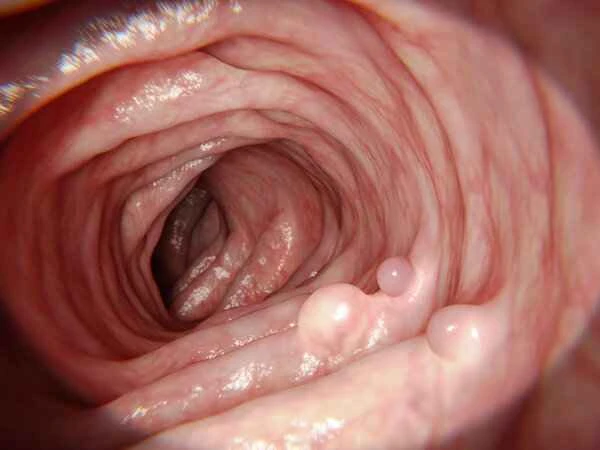
Whether or not surgery is needed for colonic obstruction depends on the cause, location, severity of the obstruction, and the patient's overall health condition.

When faced with bowel obstruction, doctors will first assess the specific cause of the obstruction, such as a tumor, inflammation, adhesions, or fecal impaction. Once the cause of the obstruction is determined, the following steps will be based on this information. If the obstruction is caused by a tumor or severe inflammation, surgery may be necessary to remove the tumor or resect the diseased segment of the intestine to restore bowel patency. If the obstruction is caused by fecal impaction, non-surgical methods, such as enemas or medication, may be tried first to relieve symptoms. The choice of surgery also depends on the location and severity of the obstruction. For some patients, emergency surgery may be required to prevent ischemic necrosis of the intestine, while for others, elective surgery may be necessary to completely resolve the obstruction.
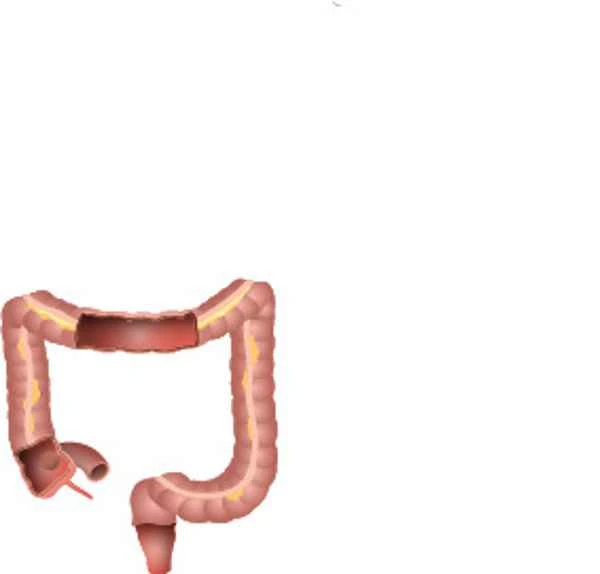
When deciding whether to perform surgery, doctors also consider the patient's overall health condition and the risks of the procedure. For example, the risks of surgery may increase for patients with serious heart disease or other complications, requiring a trade-off between surgical and non-surgical treatments. Surgical decisions are also influenced by factors such as the patient's age, body mass index, and the presence of other chronic diseases.

[Management Tip:]
1. Have regular physical examinations, especially for people with a family history of intestinal diseases.
2. Maintain a healthy lifestyle, including a balanced diet and moderate exercise.
3. If you experience abdominal pain, constipation, or other intestinal discomfort, you should seek medical attention promptly.