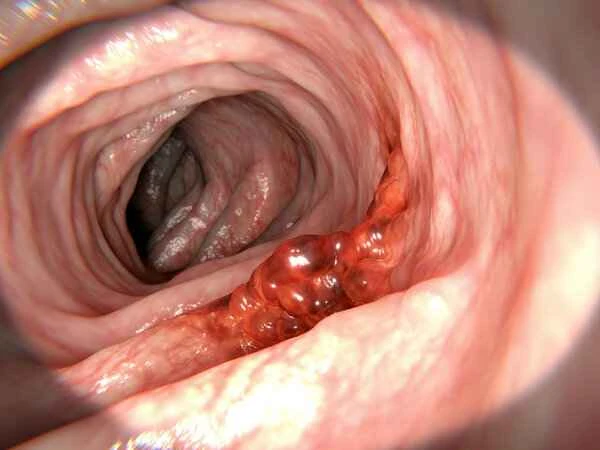
Poorly differentiated gastric cancer is a malignant tumor, and its treatment outcome depends on a variety of factors, including the stage of the cancer, the patient's overall health, and the timeliness and effectiveness of treatment.
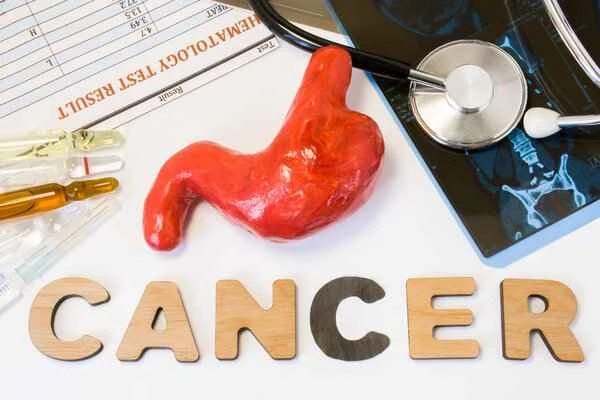
Poorly differentiated gastric cancer is highly malignant and difficult to treat due to its low degree of cell differentiation. This type of gastric cancer may not present obvious symptoms in its early stages, often leading to its discovery at an advanced stage. Treatment for poorly differentiated gastric cancer typically involves a combination of methods, including surgical resection, chemotherapy, and radiotherapy. Surgery is the most direct and effective treatment for gastric cancer, reducing the number of cancer cells by removing tumor tissue. Chemotherapy and radiotherapy can be used before and after surgery to eliminate any remaining cancer cells and prevent recurrence. Chemotherapy drugs can reach all parts of the body through blood circulation, killing or inhibiting the growth of cancer cells. Radiotherapy uses high-energy rays to directly target the tumor, destroying the DNA structure of cancer cells and thus inhibiting their growth and division. The combined use of these treatments can improve the overall treatment outcome, but the final result is still influenced by various factors, including the stage of the cancer, the patient's overall health, and the timeliness and effectiveness of the treatment.
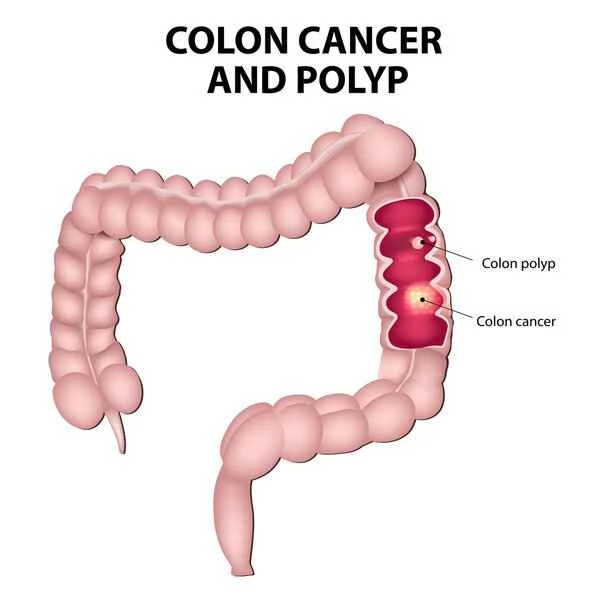
In the treatment of poorly differentiated gastric cancer, patients may face a series of treatment risks and misconceptions. While chemotherapy and radiotherapy can effectively kill cancer cells, they can also damage normal cells, leading to a range of side effects such as nausea, vomiting, hair loss, and fatigue. Although surgery can remove the tumor, it also carries certain risks, such as infection, bleeding, and organ dysfunction. Patients and their families may have some misconceptions, such as believing that surgical removal is a complete cure and neglecting the importance of regular postoperative checkups; or believing that chemotherapy and radiotherapy will cause irreversible damage, thus refusing these effective treatments. During treatment, patients and their families need to fully understand the risks and side effects of the treatment, actively cooperate with the doctor's treatment plan, and maintain a positive attitude, all of which are crucial for improving treatment outcomes and prognosis.
[Management Tips]
1. Have regular gastroscopy examinations to detect lesions early.
2. Pay attention to a healthy diet, avoid high-salt and high-fat foods, and reduce the burden on your stomach.
3. If you experience persistent stomach pain, loss of appetite, or other symptoms, you should seek medical attention promptly.
4. Actively cooperate with the doctor's treatment plan, have regular check-ups, and monitor changes in the condition.