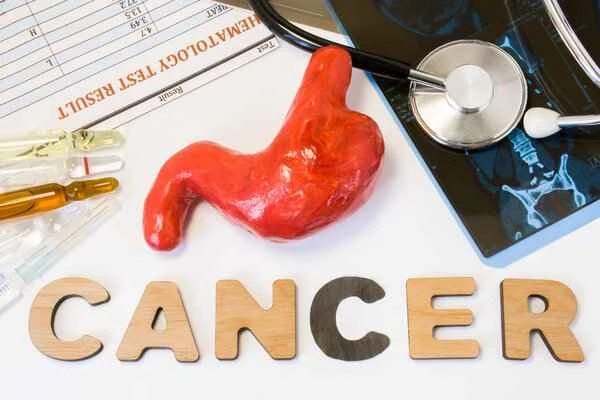
The key to preventing stomach cancer lies in consuming foods with anti-inflammatory and antioxidant properties in your daily diet. These foods can help protect the gastric mucosa and reduce the risk of stomach cancer.
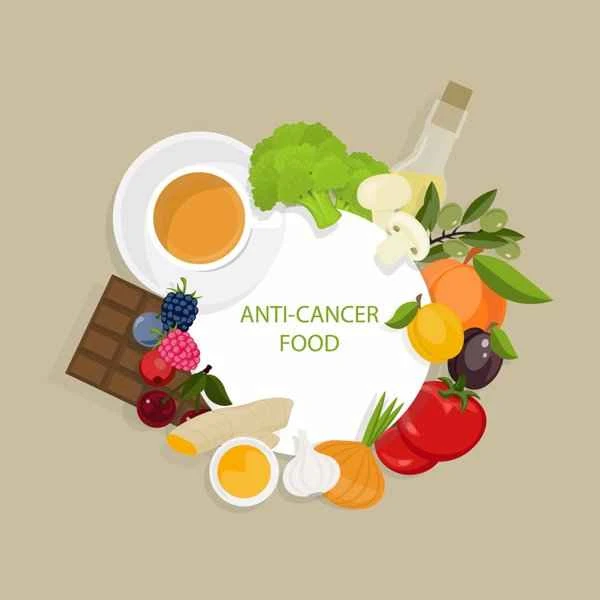
The development of stomach cancer is related to multiple factors, including genetics, environment, and dietary habits. Among these, dietary habits are one of the controllable and important factors. Some foods are rich in antioxidants and anti-inflammatory components, such as vitamin C, vitamin E, selenium, and beta-carotene. These components can help protect the stomach from harmful substances and reduce damage to the gastric mucosa, thereby lowering the risk of stomach cancer. Foods rich in dietary fiber, such as whole grains, legumes, and vegetables, also help maintain gastrointestinal health and promote the growth of beneficial bacteria in the digestive tract, thus indirectly reducing the risk of stomach cancer.

To better prevent stomach cancer, you can increase your intake of the following types of food in your daily diet: eat more fresh vegetables and fruits, which are rich in antioxidants such as vitamin C, vitamin E, and beta-carotene, which help protect the gastric mucosa; increase your intake of whole grains, legumes, and nuts, which are rich in dietary fiber and trace elements, helping to maintain gastrointestinal health; and finally, eat an appropriate amount of selenium-rich foods, such as seafood and animal liver, as selenium has a strong antioxidant effect and can help protect the gastric mucosa from damage.
[Life Tips]
1. Eat at least 5 servings of fresh vegetables and fruits every day.
2. Choose whole grains, legumes, and nuts as part of your daily diet.
3. Consume selenium-rich foods in moderation, such as seafood and animal liver.
4. Avoid high-salt, high-fat, and processed meats, as these foods may increase the risk of stomach cancer.