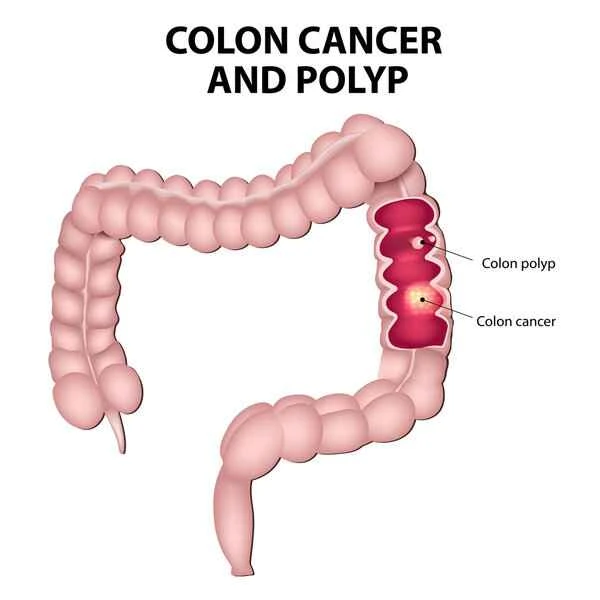
Upper abdominal intestinal obstruction is a common digestive system disorder, mainly manifested as upper abdominal pain, bloating, nausea, and vomiting. This condition usually occurs because substances in the intestines (such as food residue and gas) cannot pass through smoothly, leading to partial or complete intestinal obstruction.
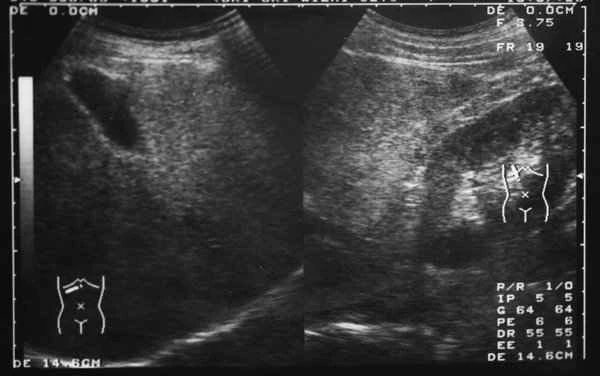
Intestinal obstruction can be caused by a variety of factors. For example, the presence of foreign bodies, tumors, inflammation, or adhesions in the intestines can all obstruct the intestinal passage. If a patient has a history of surgery, especially abdominal surgery, postoperative adhesions may lead to intestinal obstruction. Severe upper abdominal pain, accompanied by vomiting, after meals or upon waking may be a symptom of intestinal obstruction. The pain may be colicky, lasting in varying durations, and in severe cases, may be accompanied by abdominal distension and cessation of gas and bowel movements.

For upper abdominal intestinal obstruction, patients need to understand that if symptoms persist or worsen, especially with severe abdominal pain, bloating, or inability to pass gas or stool, they should seek medical attention immediately. Common misconceptions include believing that mild abdominal pain and bloating are normal and do not require special attention. These symptoms may be early signs of more serious problems, and timely medical attention for professional diagnosis and treatment is crucial.
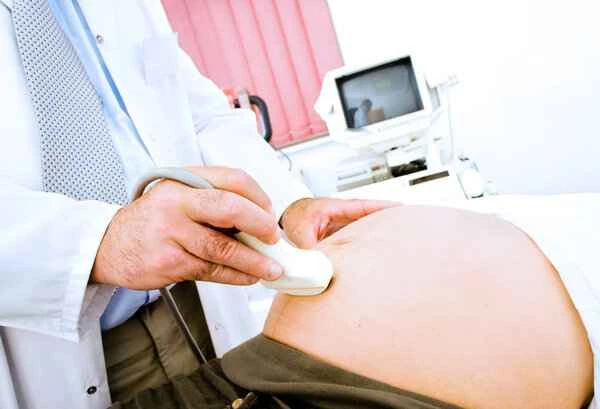
[Prevention Tips:]
1. Maintain a healthy lifestyle, including a balanced diet and moderate exercise.
2. Pay attention to your eating habits and avoid consuming excessive amounts of hard-to-digest foods.
3. Have regular physical examinations to detect and treat diseases that may cause intestinal obstruction in a timely manner.