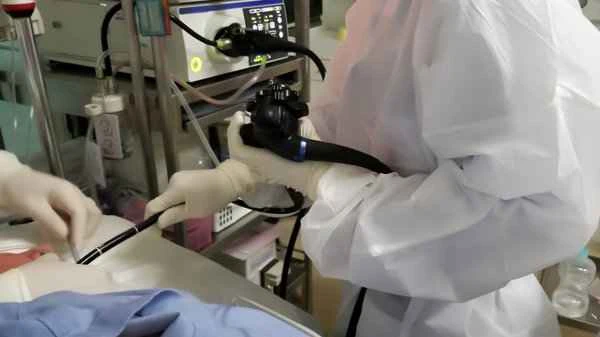
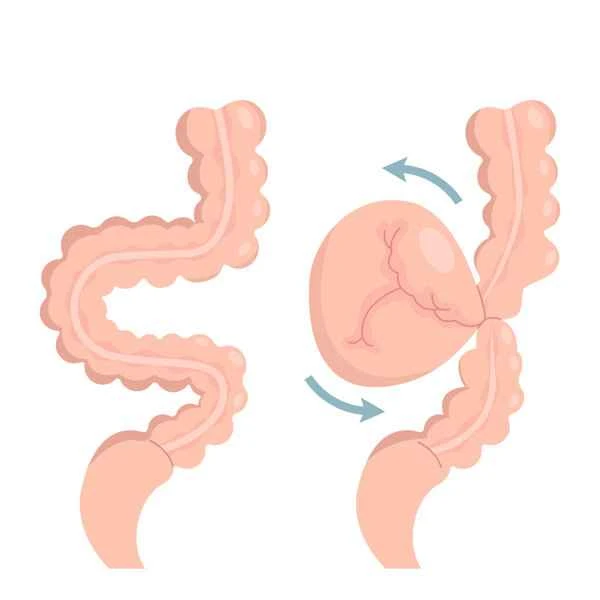
Whether or not medication is needed after intestinal polyp surgery depends on the specific circumstances of the surgery and the individual's health condition.
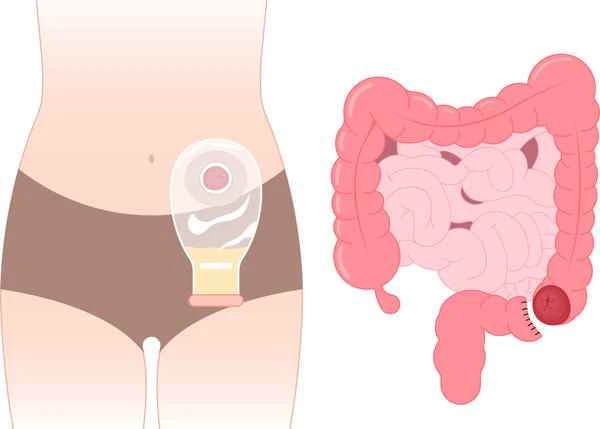
Whether medication is needed after polyp removal surgery depends primarily on the surgical method, the type of polyp removed, and the patient's overall health. If there is a risk of inflammation, infection, or other complications after surgery, the doctor may prescribe medication to prevent these problems. These medications may include antibiotics, anti-inflammatory drugs, or medications to promote bowel recovery. If the removed polyp carries a risk of malignancy, medication may be necessary post-surgery to prevent tumor development. Ultimately, the need for medication depends on the specific circumstances.

During treatment, patients should be aware that recovery after polyp surgery depends not only on medication but also on dietary control and lifestyle adjustments. Medication primarily aims to prevent infection, reduce inflammation, and promote wound healing. Dietary control aims to reduce the burden on the intestines and promote the recovery of intestinal function. Maintaining healthy lifestyle habits, such as avoiding overexertion and maintaining a positive attitude, are also crucial factors in promoting recovery. These measures working together can improve treatment outcomes and reduce the occurrence of complications.
[Management Tip:]
1. Regular follow-up examinations after surgery to monitor bowel recovery.
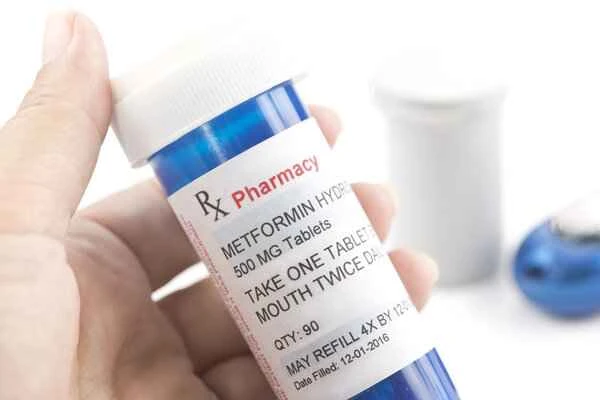
2. Take medication as prescribed and on time, and avoid increasing or decreasing the dosage on your own.
3. Pay attention to your diet and avoid spicy and irritating foods.
4. If abnormal symptoms such as abdominal pain or fever occur, seek medical attention promptly.