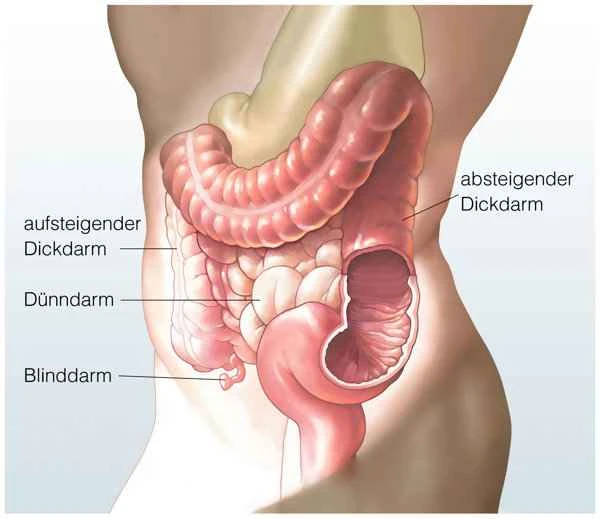
Appendicitis can indeed occur during pregnancy. During pregnancy, due to hormonal changes and the enlargement of the uterus, the mechanisms and treatment of appendicitis differ.

Appendicitis is an inflammation of the appendix, usually caused by a bacterial infection. During pregnancy, hormonal changes, particularly increased progesterone, make the appendix wall more prone to swelling, potentially leading to appendicitis. As the uterus enlarges, the position of the appendix changes, which may affect its blood supply, further increasing the risk of appendicitis. If a pregnant woman develops appendicitis, she usually needs to seek medical attention promptly. The doctor will assess the surgical risks and fetal safety based on the pregnant woman's specific situation and decide whether surgical treatment is necessary. Surgery is generally safe, but the risks to both the mother and fetus must be weighed.

When treating appendicitis, doctors will consider the safety of both the pregnant woman and the fetus and take appropriate treatment measures. Treatment of appendicitis is not without risks. During the procedure, anesthetic drugs may affect the fetus, although modern anesthesia techniques have greatly reduced this risk. The surgery itself may increase the risk of infection, although performing the surgery in a sterile environment can significantly reduce this risk. When deciding whether to perform surgery, doctors will comprehensively consider the health of both the mother and fetus, as well as the risks and benefits of the procedure.

[Management Tips]
1. Have regular prenatal checkups to detect any potential health problems in a timely manner.
2. Maintain good personal hygiene habits to reduce the risk of infection.
3. If you experience abdominal pain, fever, or other discomfort, you should seek medical attention promptly.