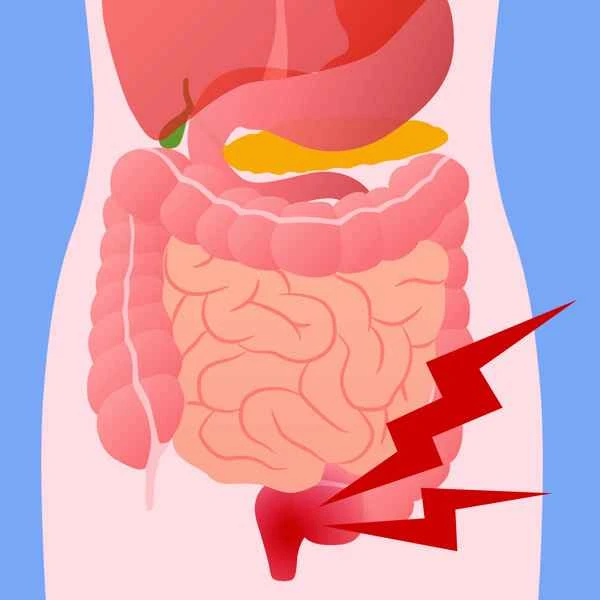
Intestinal obstruction typically does not directly cause cardiac arrhythmias. Intestinal obstruction refers to the blockage of intestinal contents, and common symptoms include abdominal pain, vomiting, and bloating. Understanding the relationship between intestinal obstruction and cardiac arrhythmias helps us to more accurately diagnose and treat related diseases, avoiding unnecessary panic and mistreatment.
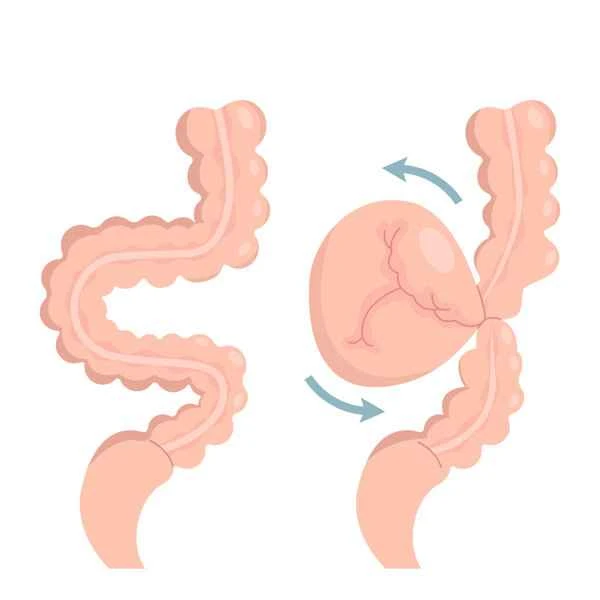
Intestinal obstruction primarily affects the digestive system, while cardiac arrhythmias are related to the electrophysiological activity of the heart. Although the two seem unrelated, in some cases, intestinal obstruction can indirectly affect cardiac function. For example, severe intestinal obstruction can lead to dehydration, electrolyte imbalance, or systemic inflammatory responses, all of which can indirectly affect the electrophysiological activity of the heart, thus causing arrhythmias. This condition is relatively rare and is usually accompanied by other serious symptoms.

Understanding the relationship between bowel obstruction and cardiac arrhythmias helps us better identify and manage potential complications. If you experience symptoms resembling bowel obstruction or cardiac arrhythmia, seek medical attention promptly for professional examination to determine the specific cause and avoid misdiagnosis due to self-diagnosis. Maintaining healthy lifestyle habits, such as a balanced diet and moderate exercise, can also help prevent these conditions.

【Useful Tips:】
1. Pay attention to whether you have symptoms such as abdominal pain, vomiting, or bloating, and seek medical attention promptly.
2. Maintain good lifestyle habits and avoid overeating or consuming foods that are difficult to digest.
3. Have regular health checkups, especially for people with a history of chronic diseases.
4. If you experience symptoms of arrhythmia, you should seek medical attention promptly to avoid delaying treatment.