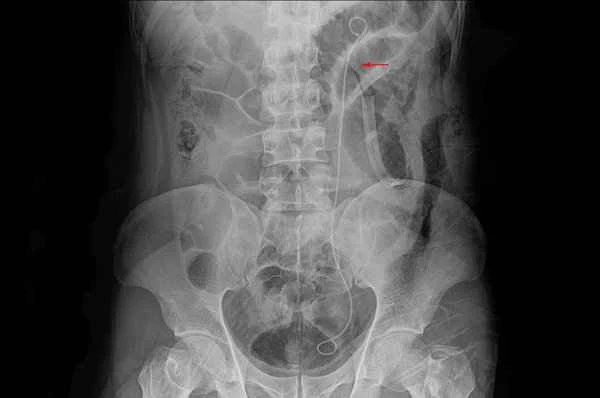
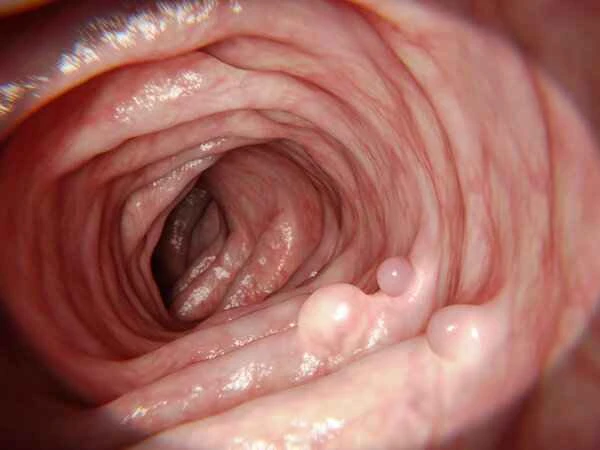
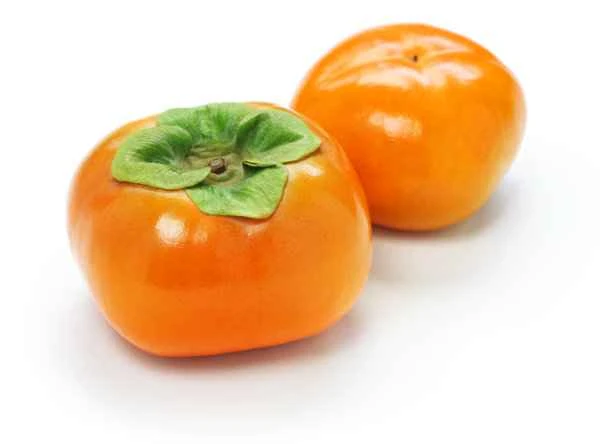
The key to distinguishing between gastric polyps and intestinal fossils lies in understanding their respective characteristics and causes, as well as how to identify them through medical examination.

The importance of distinguishing between gastric polyps and intestinal fossils lies in the fact that although both are related to the digestive system, their nature, causes, and treatments are quite different. Correctly differentiating between the two helps in timely and targeted medical intervention, avoiding misdiagnosis and unnecessary treatment.
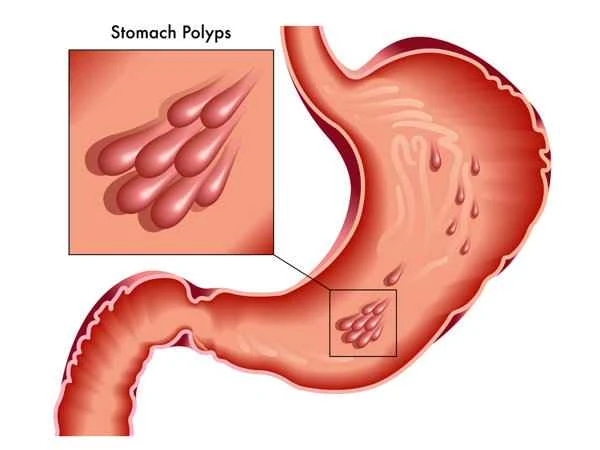
Gastric polyps are benign tumors that grow on the gastric mucosa, and their formation is related to genetics, environmental factors, and chronic inflammation. Intestinal fossils, on the other hand, refer to undigested food residue in the intestines that accumulates over time, forming hard, stone-like lumps. Through endoscopy, doctors can observe the specific shape and location of gastric polyps, such as their color, size, and number, and can also take samples for pathological examination to confirm their nature. For intestinal fossils, endoscopy will show hard, lumpy material in the intestines, usually without obvious mucosal changes. The examination results for gastric polyps require a pathology report to determine their nature, while the results for intestinal fossils are mainly based on endoscopic observation. It is important to note that the pathological nature of gastric polyps may include inflammatory polyps, adenomatous polyps, etc., while intestinal fossils are simply undigested food residue; the two have completely different pathological significance. When interpreting examination results, it is essential to consider the doctor's professional opinion, objectively view the limitations of these medical concepts, and avoid self-diagnosis and treatment. When following a doctor's advice, the most important thing to be wary of is mistaking intestinal fossils for gastric polyps, thus receiving unnecessary treatment. At the same time, attention should be paid to the nature of gastric polyps to avoid ignoring potential malignant risks.
【Useful Tips:】
1. Pay attention to the pathological nature of gastric polyps, such as inflammatory polyps, adenomatous polyps, etc.
2. Observe the specific morphology of the intestinal fossils, such as color, size, and quantity.
3. Take into account the doctor's professional opinion and view the test results objectively.
4. Avoid self-diagnosis and treatment; follow medical advice for subsequent treatment.