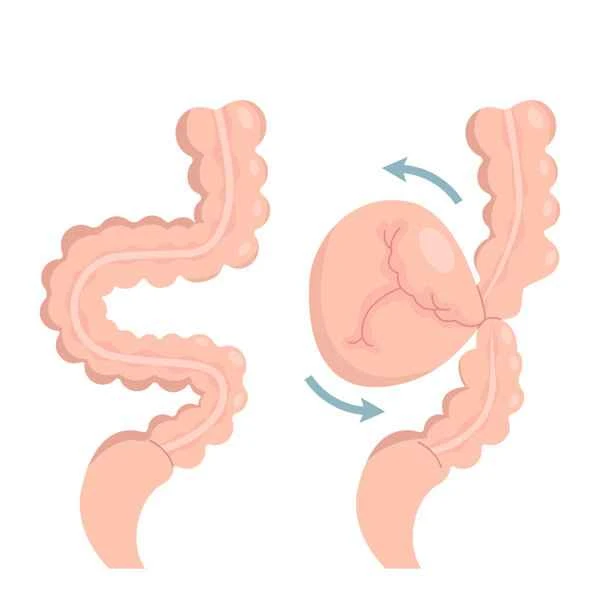
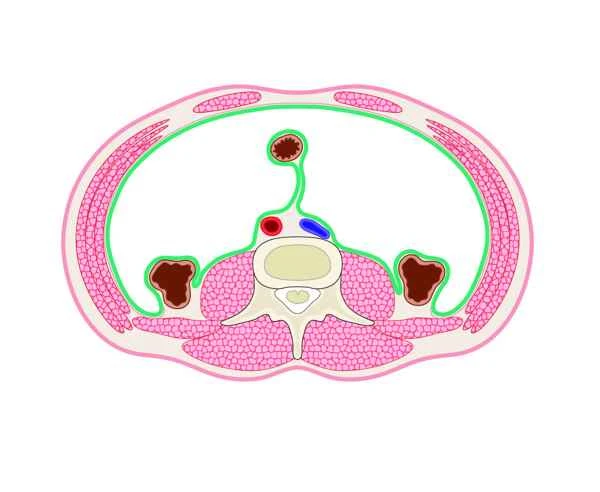
Pseudo-obstruction is a type of intestinal dysfunction, and patients should be cautious when considering having children.
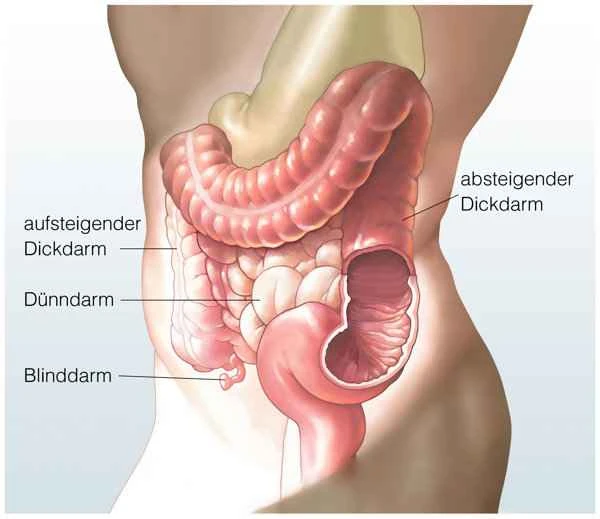
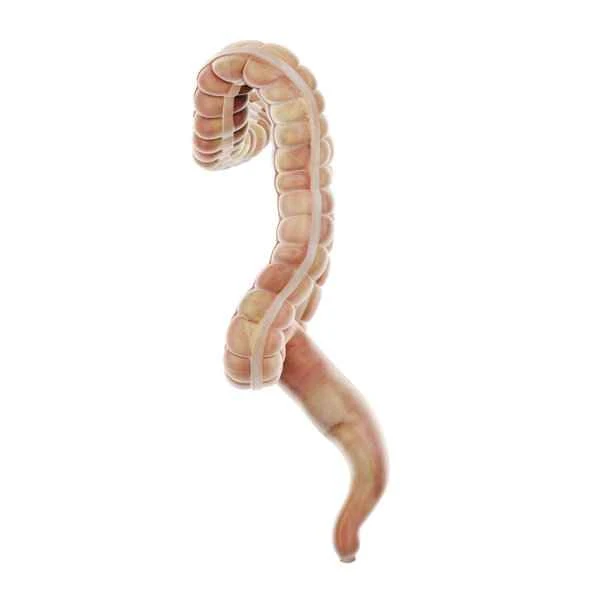
Pseudo-obstruction is a bowel dysfunction characterized by weakened or absent intestinal motility, obstructing the passage of food through the intestines. This condition is not caused by physical obstructions such as tumors or hernias, but rather by neuromuscular dysfunction leading to abnormal bowel movements. Patients with pseudo-obstruction need to consider factors such as their overall health, the severity of their condition, and the effectiveness of their treatment when considering pregnancy. Patients with milder cases and effective treatment may be able to conceive safely under a doctor's guidance; however, patients with more severe cases or poor treatment outcomes may need to wait until their condition is under control before considering pregnancy.
Treatment options for pseudo-intestinal obstruction include medication, nutritional support, and surgery; however, these methods cannot completely eliminate the risks that patients may face during pregnancy. Patients considering pregnancy need to fully understand their condition, follow their doctor's advice, and rationally plan their pregnancy.

[Management Tip:]
1. Before planning a pregnancy, it is essential to undergo a comprehensive physical examination, including an assessment of bowel function.
2. Closely monitor changes in intestinal function and adjust the treatment plan in a timely manner.
3. Communicate closely with a professional doctor to ensure you conceive in the best possible health condition.