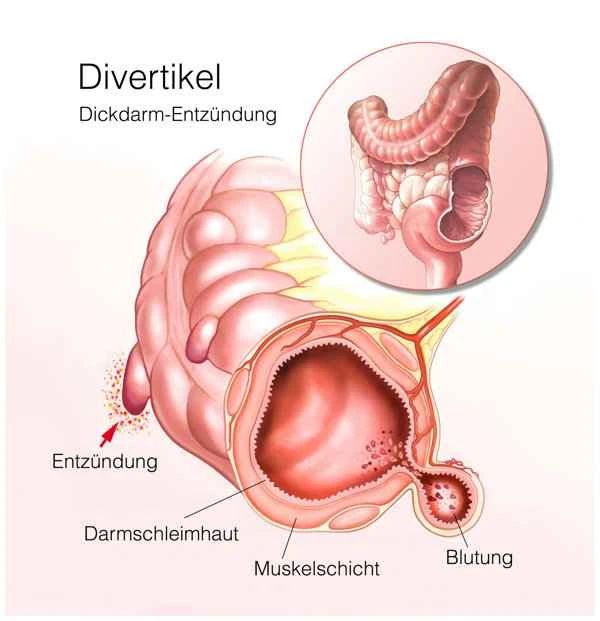
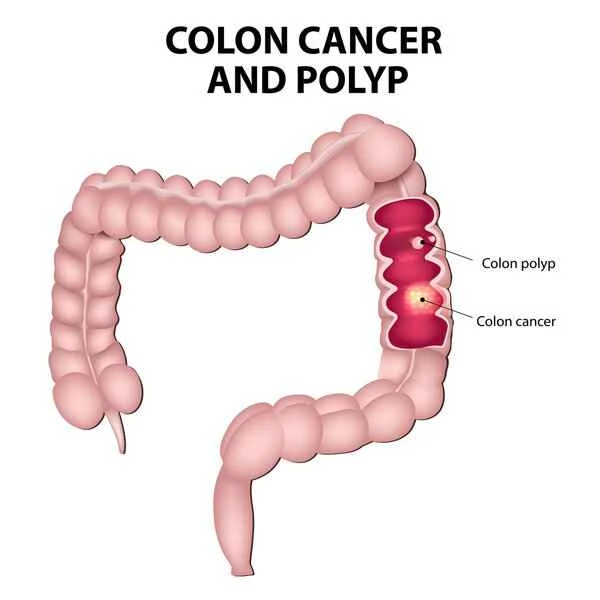
Intestinal polyps are abnormal tissues that grow on the inner wall of the intestines. They may not cause obvious symptoms immediately, but as the polyps grow, a range of symptoms may appear. These symptoms may include changes in bowel habits, abdominal pain, and rectal bleeding.
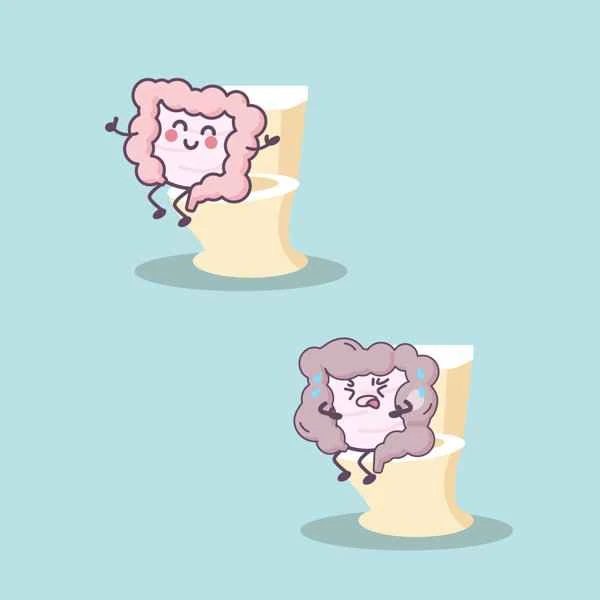
Symptoms of intestinal polyps can vary depending on the size and location of the polyp, as well as whether inflammation or bleeding occurs. Some patients may experience changes in bowel habits, such as constipation or diarrhea, which may be intermittent. If the polyp is located near the rectum, patients may experience discomfort or pain during bowel movements. Rectal bleeding is another common symptom; the blood may be bright red, appearing on the surface of the stool or on toilet paper, or it may appear black, which usually indicates bleeding in the upper gastrointestinal tract. In some cases, polyps may cause abdominal discomfort or pain, which may worsen after meals. If the polyp is large or located in an unusual location, it may cause intestinal obstruction, leading to symptoms such as severe abdominal pain and vomiting.
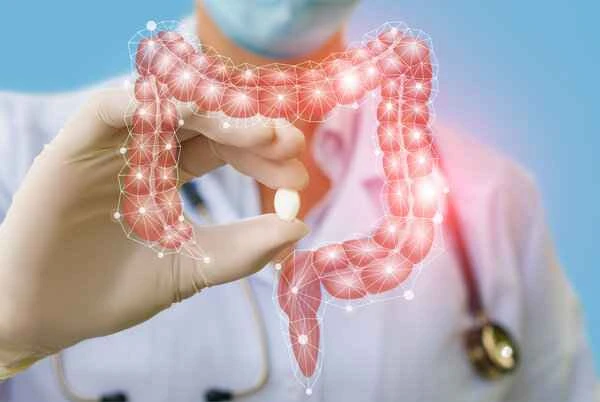
Many small polyps may not cause any symptoms, so regular colonoscopies are crucial for early detection. If you experience any of the above symptoms, especially rectal bleeding, persistent abdominal pain, or significant changes in bowel habits, you should see a doctor immediately for further examination. Some people may mistakenly believe that mild abdominal discomfort or occasional changes in bowel habits are normal, but these could be early signs of polyps or other intestinal diseases. For any persistent symptoms, especially those related to bowel movements, it is important to seek professional medical diagnosis promptly.
[Prevention Tips]
1. Maintain healthy eating habits and increase your intake of dietary fiber, such as fruits, vegetables and whole grains.
2. Have regular check-ups, especially colonoscopies, to detect polyps early.
3. Maintaining moderate physical activity helps maintain gut health.
4. Avoid long-term consumption of high-fat foods to reduce the risk of intestinal diseases.