The daily bowel movement volume of patients with intestinal obstruction varies depending on the severity of the condition and individual differences in physical condition.
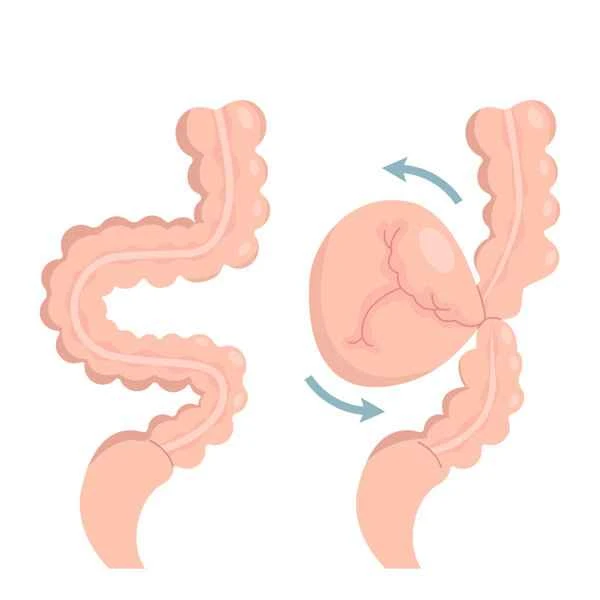
Intestinal obstruction refers to a blockage in the intestines, preventing the normal passage of intestinal contents. This condition may cause symptoms such as vomiting, abdominal pain, and bloating, while bowel movements will significantly decrease or even cease completely. In the acute phase of intestinal obstruction, patients may completely stop defecating because normal intestinal peristalsis is hindered. As treatment progresses and the condition improves, bowel movements will gradually return to normal. During treatment, doctors will monitor the improvement of intestinal obstruction through imaging examinations, physical examinations, and other means, while also paying attention to the patient's bowel movements to assess treatment effectiveness and disease progression.

The treatment and management of intestinal obstruction requires comprehensive consideration of multiple factors, including the patient's underlying diseases, the cause of the obstruction, the location of the obstruction, and the patient's general health condition. Changes in daily stool volume in patients with intestinal obstruction are a complex process that requires close observation and management under the guidance of a physician.

[Management Tip:]
1. Regularly monitor the bowel movements of patients with intestinal obstruction, including the frequency and characteristics of bowel movements.
2. Adjust the patient's eating habits and avoid eating high-fiber and high-fat foods to prevent increasing the burden on the intestines.
3. If symptoms such as abdominal pain, bloating, or vomiting occur, seek medical attention promptly.