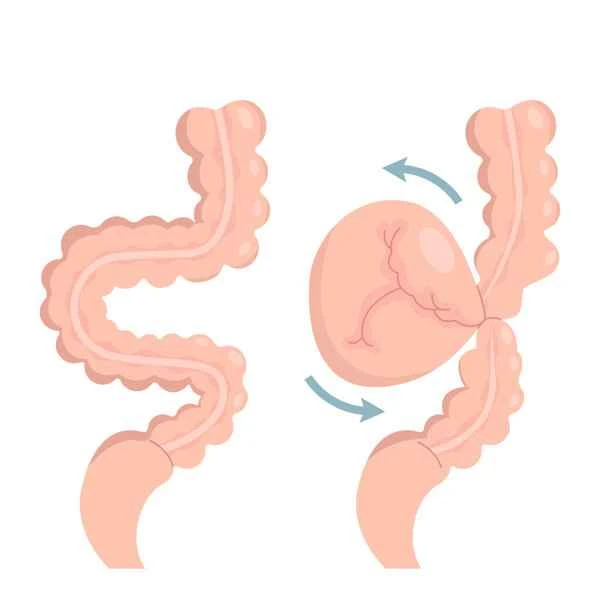
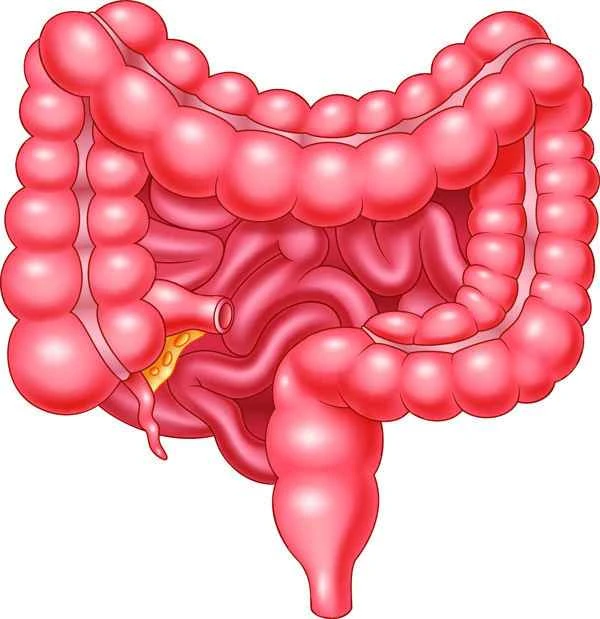
In simple terms, intestinal polyps are growths formed by the abnormal proliferation of cells in the intestinal lining. They typically develop due to the abnormal proliferation of intestinal mucosal cells under the influence of certain factors. Understanding the formation of intestinal polyps helps us better prevent and treat intestinal diseases and safeguard intestinal health.
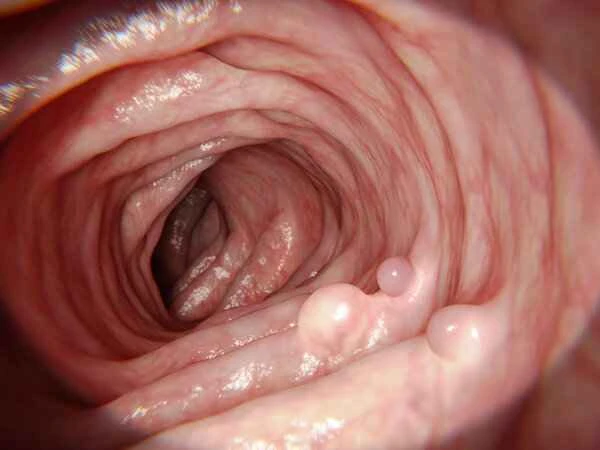
The formation of intestinal polyps is related to a variety of factors, including genetics, dietary habits, and inflammation. When intestinal mucosal cells are affected by these factors, abnormal proliferation may occur, leading to polyp formation. Long-term inflammatory stimulation can also contribute to the formation of intestinal polyps. Understanding these factors can help us better prevent the formation of intestinal polyps.
When we learn we have intestinal polyps, the first step is to undergo further examination to determine their nature, such as whether they are benign or malignant. Typically, doctors will recommend a colonoscopy to observe the polyp's shape and size, and may take a sample for pathological examination. If the polyp is confirmed benign, the doctor may recommend regular follow-up observation; if the polyp is confirmed malignant, surgical removal or other treatments may be necessary. Correctly understanding the examination results for intestinal polyps is crucial for developing a subsequent treatment plan.
【Useful Tips:】
1. Maintain healthy eating habits, eat more vegetables and fruits, and eat less high-fat and high-calorie foods.
2. Have regular physical examinations, especially for people with a family history of intestinal diseases, who should pay more attention to gut health.
3. Pay attention to personal hygiene, avoid intestinal infections, and reduce inflammatory stimulation.
4. Maintaining moderate exercise and strengthening the body's immunity can help prevent the formation of intestinal polyps.