Whether stomach cancer can develop into esophageal cancer actually refers to whether stomach cancer can directly or indirectly affect the esophagus and lead to esophageal cancer.
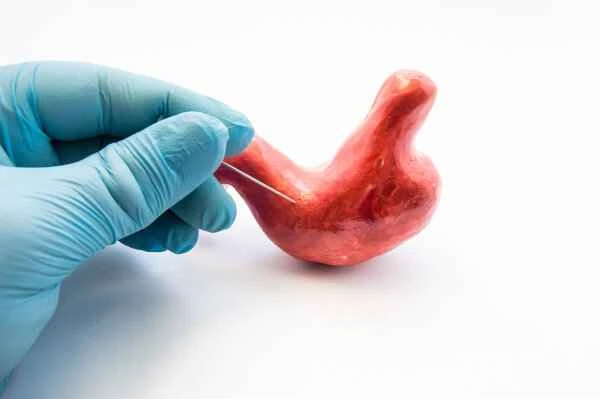
Understanding whether stomach cancer can progress to esophageal cancer is crucial for the prevention and early diagnosis of both cancers. By understanding the potential links between these two cancers, we can better guide clinical treatment and lifestyle modifications for patients, thereby improving survival rates and quality of life.
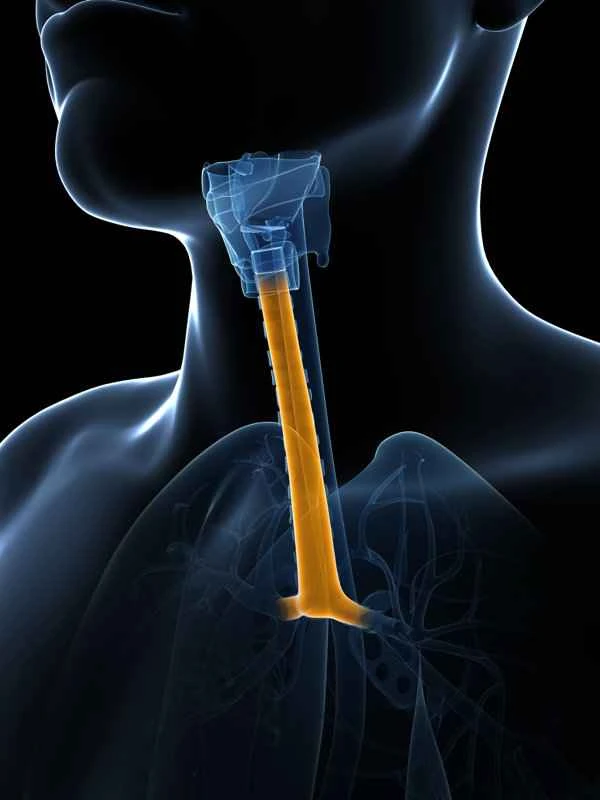
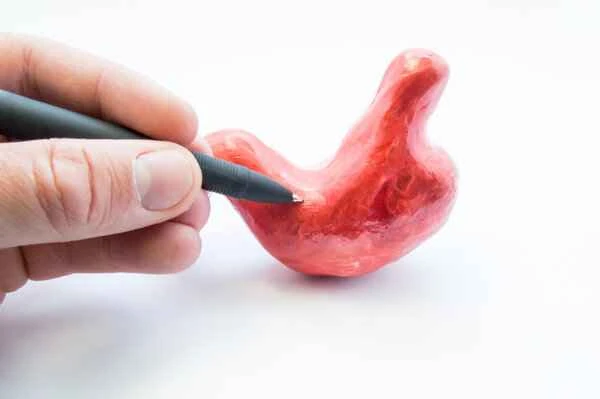
Although both stomach cancer and esophageal cancer are digestive tract cancers, they occur in different locations and have different causes, development processes, and treatments. Stomach cancer primarily occurs in the mucosa of the stomach, while esophageal cancer occurs in the mucosa of the esophagus. Although both cancers may have similar risk factors in certain situations, such as long-term smoking, alcohol consumption, and gastroesophageal reflux disease (GERD), stomach cancer does not directly transform into esophageal cancer. Patients with stomach cancer may have a higher risk of developing esophageal cancer because both cancers can be associated with long-term inflammation of the digestive tract. Stomach cancer patients need to pay closer attention to their esophageal health and undergo regular checkups.
【Useful Tips】
1. Have regular gastroscopy examinations, especially for people with a family history of stomach cancer.
2. Pay attention to a healthy diet, avoid high-salt and pickled foods, and reduce the risk of stomach and esophageal cancer.
3. Quit smoking and limit alcohol consumption to avoid long-term gastroesophageal reflux and reduce the risk of cancer.
4. If symptoms such as difficulty swallowing or pain behind the sternum occur, seek medical attention promptly.