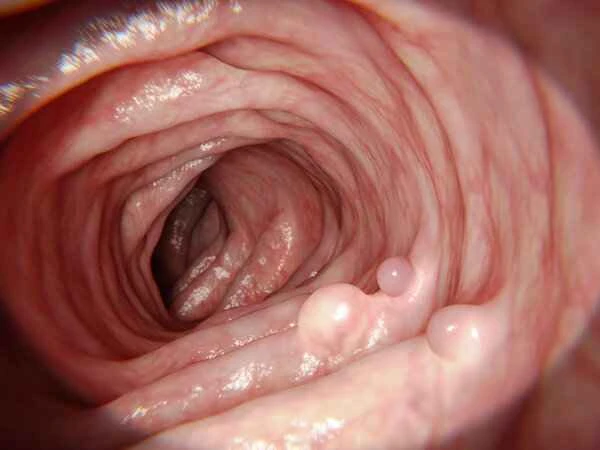
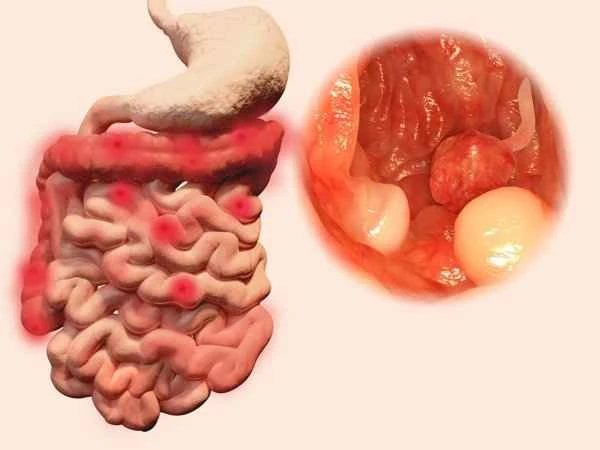
Patients with intestinal polyps can eat lamb, beef, and chicken in moderation, but they should pay attention to the cooking methods and the amount consumed.

Intestinal polyps are abnormal tissues growing on the inner wall of the intestines, and are mostly benign. These polyps may be related to dietary habits, especially high-fat, high-protein diets. Lamb, beef, and chicken are rich in high-quality protein, which plays an important role in maintaining bodily functions, but they also contain high levels of fat, especially saturated fat, which may be detrimental to patients with intestinal polyps. Patients with intestinal polyps should pay attention to cooking methods and portion sizes when consuming these meats to minimize irritation to the intestines.
Patients with intestinal polyps should choose low-fat, easily digestible foods and avoid high-fat, high-protein foods that can irritate the intestines. Lamb, beef, and chicken are excellent sources of protein, but the cooking method is particularly important for patients with intestinal polyps. Steaming, boiling, or grilling are recommended, while frying and stir-frying are preferable due to their high fat content. At the same time, portion control is crucial to avoid excessive intake of high-protein foods, which can increase the burden on the intestines. Patients with intestinal polyps should also maintain a balanced diet, eating plenty of vegetables and fruits rich in fiber to help maintain intestinal health.
[Life Tips:]
1. Choose a cooking method such as steaming, boiling, or baking.
2. Control your intake and avoid excessive consumption of high-protein foods.
3. Maintain a balanced diet and eat more vegetables, fruits and other fiber-rich foods.