Once the spleen is removed, it cannot grow back. This is a one-time surgery; the spleen will not regenerate after it is removed.
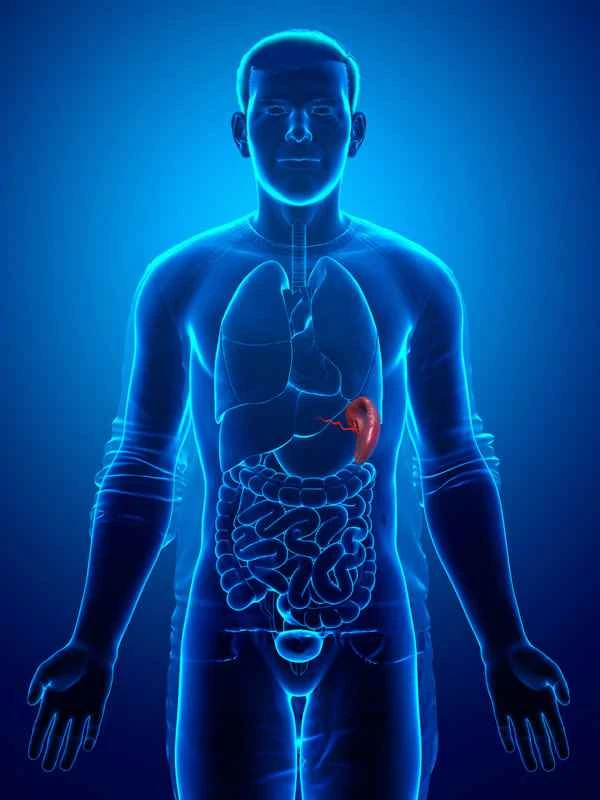
Understanding the importance of splenectomy can help us better understand why doctors choose to remove the spleen in certain situations. The spleen is an important immune organ, but it can also pose a health risk in some cases, such as splenic rupture or hypersplenism. Splenectomy is performed to avoid the risks associated with spleen diseases and ensure the patient's safety.
Splenectomy is a surgical procedure that removes the spleen to address problems caused by spleen disorders. After spleen removal, the body relies on other organs, such as the liver and lymph nodes, to perform some of the spleen's functions. The body's immune system adjusts accordingly after spleen removal, but patients may face a higher risk of infection; therefore, close monitoring and appropriate preventative measures are necessary post-operatively.
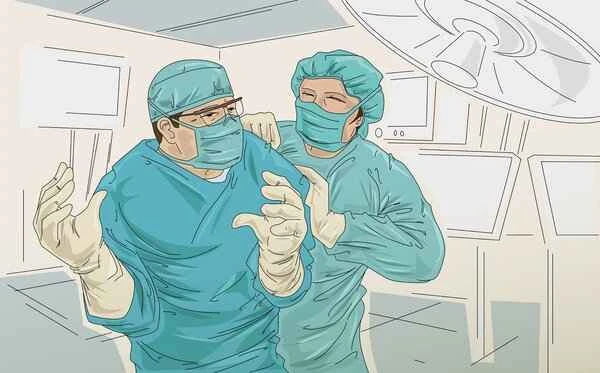
Understanding what high and low test results typically mean, and how to objectively view the limitations of splenectomy, is crucial. Post-operatively, patients need regular blood tests, such as white blood cell counts, to monitor for infection risk. Patients need to avoid sources of infection, such as contact with sick individuals, and maintain good personal hygiene. Most importantly, patients should follow their doctor's advice, have regular checkups, and promptly identify and address any potential problems.
【Useful Tips:】
1. Have regular blood tests to monitor indicators such as white blood cell count.
2. Maintain good personal hygiene habits and avoid contact with sources of infection.
3. Avoid strenuous exercise and heavy physical labor to reduce the risk of infection.
4. Follow your doctor's advice, have regular check-ups, and address any potential problems promptly.