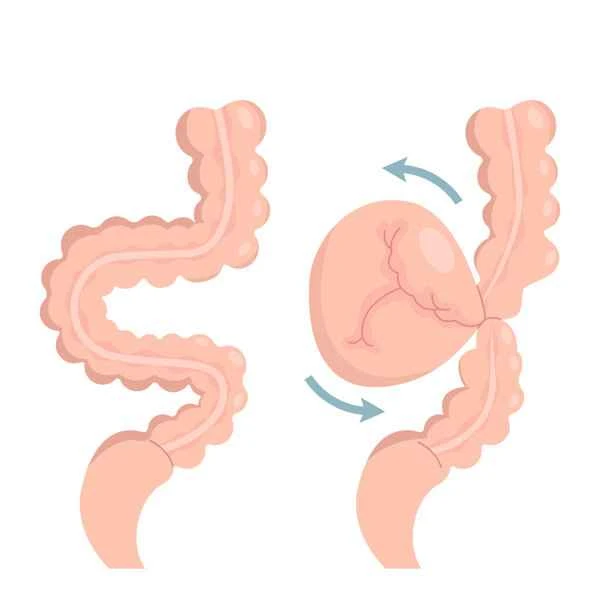
Colon cancer does not usually cause difficulty urinating directly, but in some cases it may indirectly affect urination function.

Colorectal cancer is a malignant tumor that occurs in the colon (part of the large intestine). It primarily affects the digestive system and usually does not directly affect the urinary system. However, in certain specific cases, colorectal cancer may indirectly cause difficulty urinating. For example, if the tumor is located near the rectum and is large, it may compress adjacent urinary system structures, such as the prostate or bladder, leading to difficulty urinating. Advanced colorectal cancer may be accompanied by complications such as ascites and pelvic metastasis, which may also indirectly affect urinary function.

It's important to note that difficulty urinating is relatively rare in patients with colon cancer and is usually related to factors such as the location and size of the tumor, as well as whether it has metastasized. If difficulty urinating does occur, in addition to considering the influence of colon cancer, other possible causes should be considered, such as prostate disease or urinary tract infection.
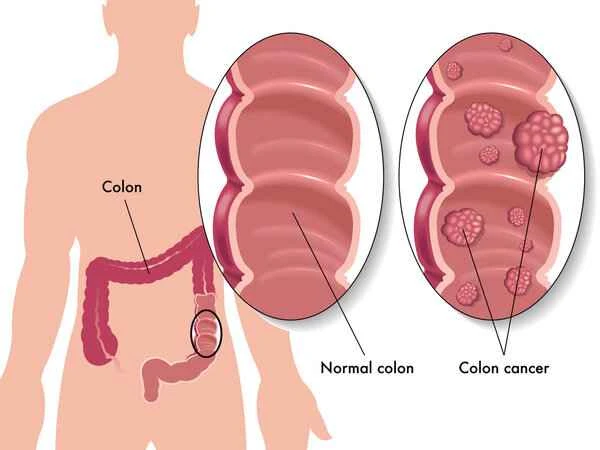
[Management Tip:]
1. Undergo regular colorectal cancer screening, especially for people with a family history or high-risk factors.
2. If symptoms such as difficulty urinating occur, you should seek medical attention promptly for a comprehensive examination to rule out other possible causes.
3. Maintaining a healthy lifestyle, including a balanced diet, moderate exercise, quitting smoking and limiting alcohol consumption, can help reduce the risk of colon cancer.