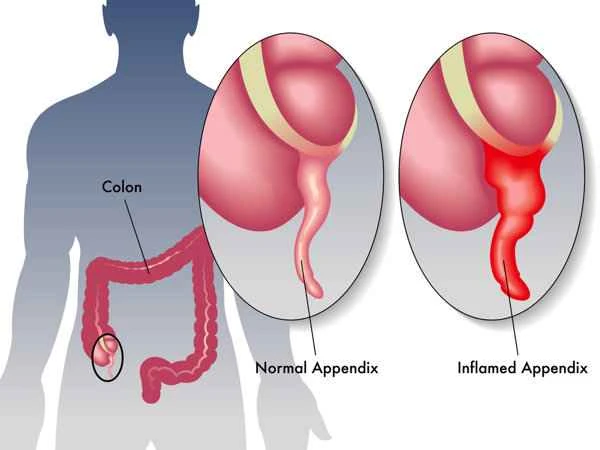
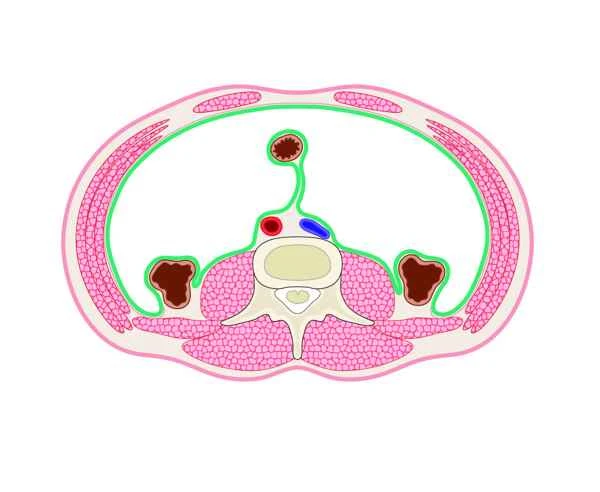
Malignant bowel obstruction is a serious medical condition that is usually caused by a tumor or other obstruction in the intestines, resulting in complete or partial blockage of the bowel. This condition can be life-threatening, so timely recognition and diagnosis are crucial.
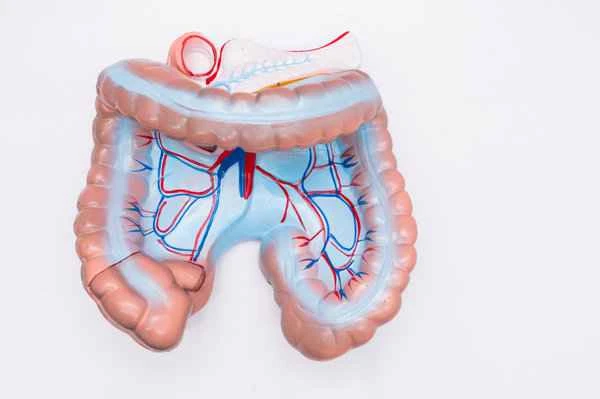
When diagnosing malignant intestinal obstruction, doctors make a comprehensive assessment based on the patient's symptoms and physical examination. Common symptoms include persistent abdominal pain, which may gradually worsen and is usually accompanied by abdominal distension. Patients may vomit, and the vomit may contain undigested food or bile. Inability to defecate or pass gas can be an important sign of malignant intestinal obstruction. In severe cases, patients may exhibit symptoms such as dehydration, electrolyte imbalance, and weight loss.

It is important to note that the diagnosis of malignant intestinal obstruction relies not only on the symptoms described above but also on imaging examinations (such as CT scans) and endoscopy. If any of the above symptoms occur, especially if they appear suddenly or worsen rapidly, seek medical help immediately. Self-diagnosis may delay treatment, increasing the risk of disease progression. Evaluation and guidance from a professional physician are crucial for ensuring accurate diagnosis and timely treatment.

[Prevention Tips:]
1. Maintain a healthy lifestyle, including a balanced diet and regular exercise.
2. Have regular physical examinations, especially for people with a family history of the disease.
3. Pay attention to changes in your body. If you experience persistent abdominal pain or other abnormal digestive symptoms, seek medical attention promptly.