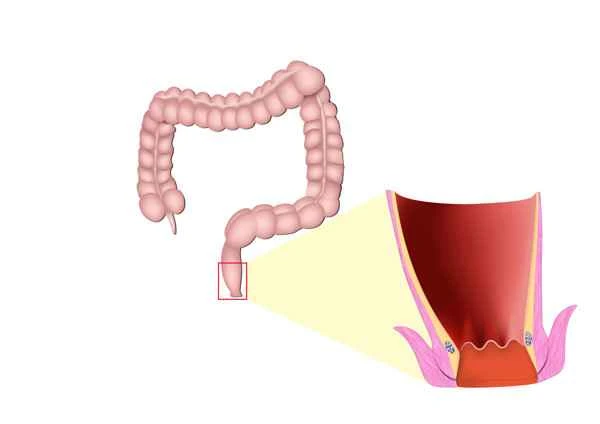
Postoperative gastrointestinal bleeding is not necessarily caused by surgical errors, but can be caused by a variety of factors.

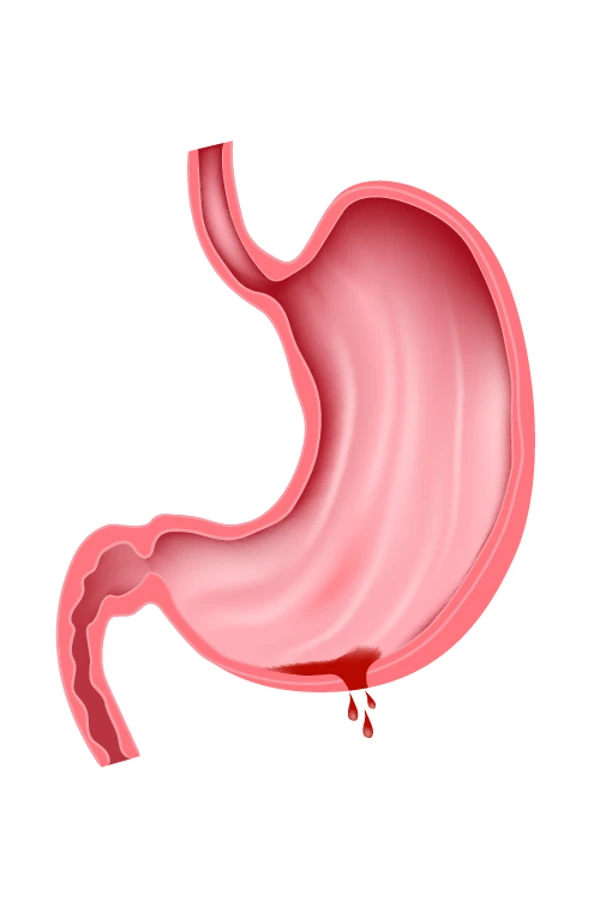
Postoperative gastric bleeding can be caused by a variety of factors, not just surgical errors. During surgery, doctors take various measures to reduce bleeding, including using hemostatic drugs and instruments; however, postoperative gastric bleeding can still occur. This may be unrelated to the surgery itself, but rather a result of a combination of factors such as the patient's underlying medical conditions, inadequate postoperative care, or the body's natural response to trauma. For example, gastric mucosal damage, stress ulcers, infection, and coagulation disorders can all lead to postoperative gastric bleeding. These factors may exist before surgery or be unavoidable during the procedure; postoperative gastric bleeding does not necessarily indicate surgical error.
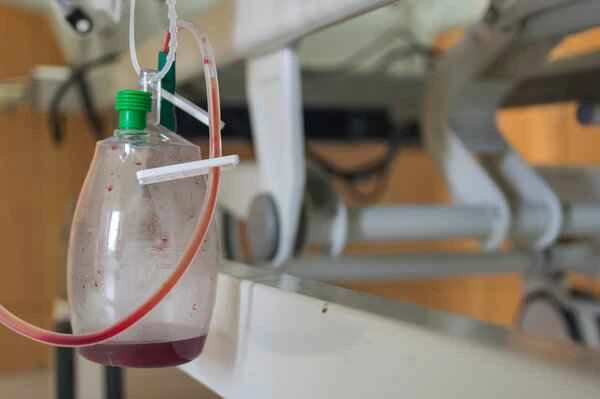
When managing postoperative gastrointestinal bleeding, doctors will take appropriate treatment measures based on the cause and severity of the bleeding. These measures may include medication, endoscopic hemostasis, or even reoperation. Importantly, patients need to actively cooperate with the doctor's treatment plan and maintain good postoperative care to promote recovery and prevent complications.
[Management Tip:]
1. Regularly monitor vital signs and gastrointestinal condition.
2. Use antacids or hemostatic drugs as prescribed by your doctor.
3. Seek medical attention promptly if symptoms such as vomiting blood or black stools occur.