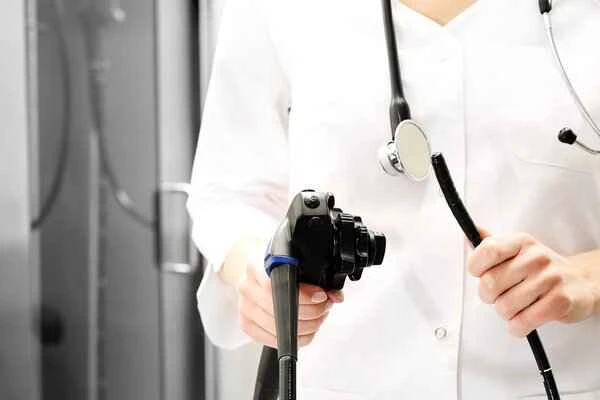
The severity of the foreign body sensation caused by intestinal polyps depends on the nature and size of the polyp, as well as whether it is accompanied by complications. Intestinal polyps are a common intestinal condition, formed by the abnormal proliferation of intestinal mucosal epithelial cells. Polyps can be benign or a precursor to malignancy, and they may cause symptoms such as abdominal discomfort, changes in bowel habits, and a foreign body sensation. The severity of these symptoms is closely related to the size, number, and location of the polyp. For example, larger or multiple polyps may cause more noticeable symptoms, while polyps located in specific areas may cause more serious complications such as intestinal obstruction or bleeding.
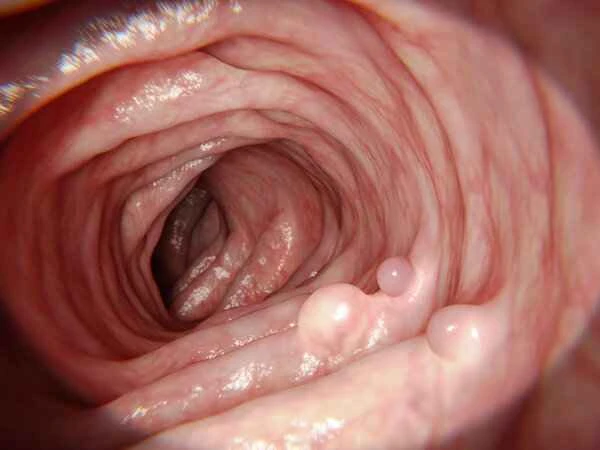
Treatment of intestinal polyps typically requires consideration of multiple factors, including the size, number, location, and potential for malignancy. Treatment methods mainly include endoscopic resection, surgical resection, and regular follow-up. Endoscopic resection is currently the most commonly used method, allowing direct removal of the polyp via an endoscope, offering advantages such as minimal invasiveness and rapid recovery. Surgical resection is suitable for larger polyps or those that have become malignant; it requires surgical removal to restore the normal structure and function of the intestine. Regular follow-up involves monitoring changes in smaller polyps without obvious malignant potential through periodic endoscopic examinations, allowing for timely detection and management of any potential problems.

During the treatment of intestinal polyps, patients may face some potential risks and misconceptions. While polyp removal surgery is minimally invasive, risks such as infection and bleeding still exist, requiring strict adherence to medical advice before and after surgery, along with attention to rest and diet. Polyp removal is not a permanent solution; some patients may experience polyp recurrence, making regular follow-up crucial. Finally, some patients may mistakenly believe that all polyps are malignant or that everything is fine after polyp removal. Such misconceptions can lead to delays in treatment or improper management, thus affecting the prognosis.

[Management Tip:]
1. Have regular colonoscopies to detect and treat polyps promptly.
2. Maintain a healthy lifestyle, including a balanced diet and moderate exercise.
3. If you experience persistent abdominal pain, changes in bowel habits, or other symptoms, you should seek medical attention promptly.