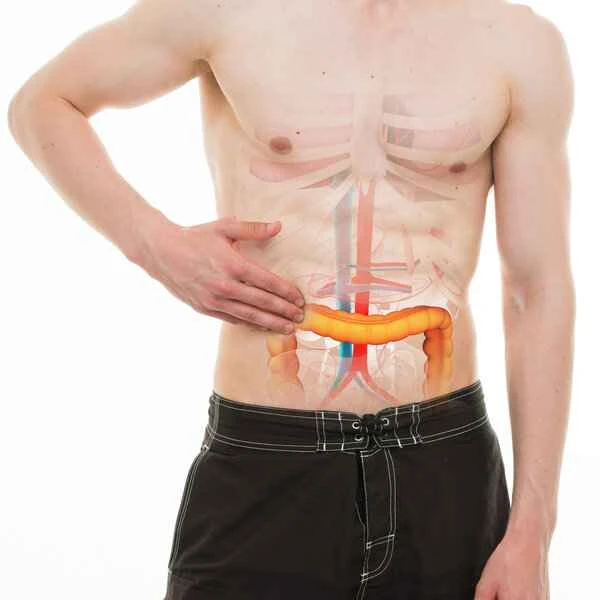
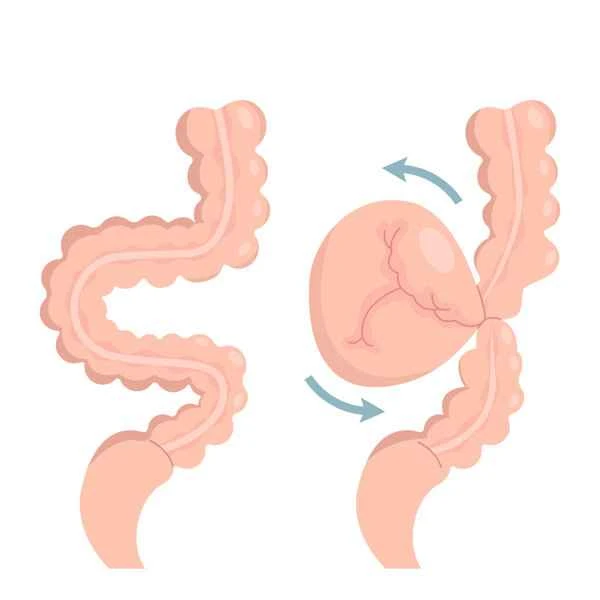
A normal CT scan for incomplete intestinal obstruction means that no obvious structural abnormalities were found on imaging examinations, but this does not mean that the condition is absent or not serious.
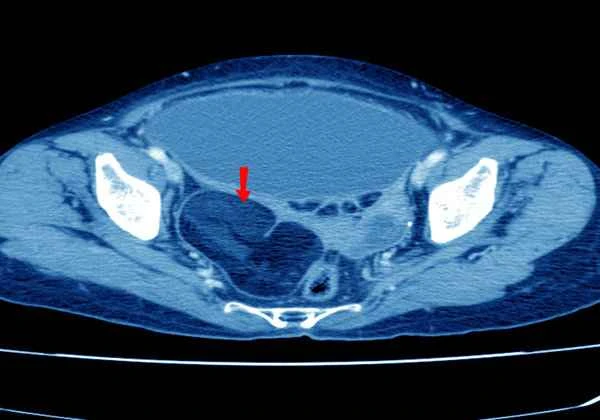
Incomplete intestinal obstruction refers to partial blockage of the intestine, resulting in impeded passage of intestinal contents, but not complete cessation. This condition may not show obvious abnormalities on CT scans because CT images primarily reflect anatomical structures, while the symptoms of intestinal obstruction are more often caused by functional impairments. Weakened intestinal motility, accumulation of gas and fluid in the intestines, and other functional changes may not be directly visible on CT images. Even if the CT scan results are normal, patients may still experience symptoms such as abdominal pain, bloating, nausea, and vomiting. Treatment of incomplete intestinal obstruction typically requires a comprehensive strategy, including fasting, gastrointestinal decompression, fluid and electrolyte replacement, and the use of medications to promote intestinal motility. These measures aim to alleviate symptoms and restore intestinal function. Fasting reduces the burden on the intestines, gastrointestinal decompression relieves bloating, fluid and electrolyte replacement corrects imbalances, and medications to promote intestinal motility help restore normal intestinal function. These measures work together to achieve the therapeutic goal.
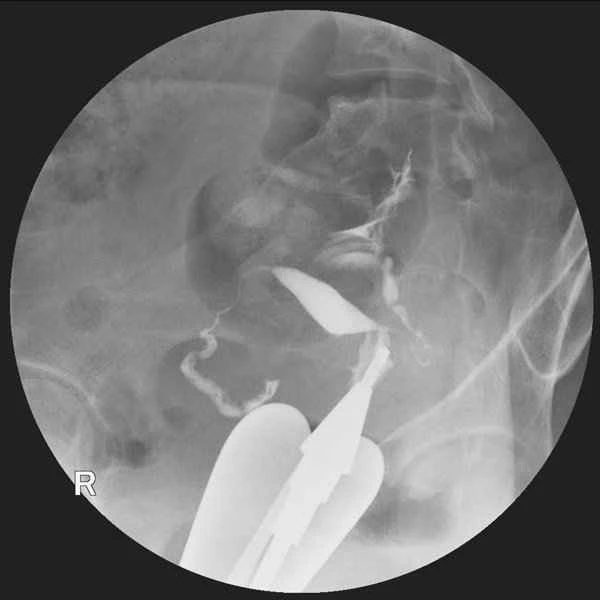
In cases of incomplete intestinal obstruction, it is important to recognize that a normal CT scan does not necessarily mean the condition is mild or requires no treatment. Physicians need to comprehensively assess the patient's condition by considering their clinical symptoms, physical examination, and possible auxiliary examination results, such as abdominal X-rays and blood tests. Patients may encounter some treatment challenges, such as medication side effects and malnutrition, which require attention and management during treatment.

[Management Tips]
1. Regularly monitor the patient's vital signs and abdominal symptoms.
2. Adjust the patient's eating habits and avoid eating foods that are difficult to digest.
3. If persistent abdominal pain, bloating or other severe symptoms occur, seek medical attention promptly.