The transformation of intestinal polyps into cancer refers to the possibility that certain types of intestinal polyps may become malignant and transform into colorectal cancer under specific conditions.
Understanding that intestinal polyps can become cancerous is important because it helps us detect and treat potential malignant lesions in a timely manner, thereby improving treatment outcomes and survival rates. Popularizing this knowledge facilitates early diagnosis and prevention, and is one of the important means of cancer prevention in modern medicine.
Specifically, the process of intestinal polyps becoming cancerous usually involves multiple factors, including the type, size, number of polyps, and whether inflammation is present. Adenomatous polyps are the most common type; if these polyps persist for a long time, they may gradually become malignant due to continuous cell division and gene mutations. The larger and more numerous the polyps, the higher the risk of malignancy. Chronic inflammation may also accelerate this process. Regular colonoscopies are especially important for people with a family history of cancer or those with related symptoms.
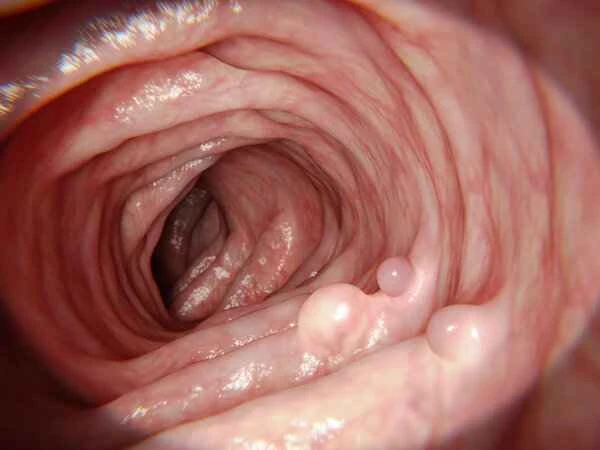
We should view examination results objectively, recognizing that while medical examination results provide important reference information, they cannot be used as the sole basis for diagnosis. Any medical conclusion should be comprehensively judged under the professional guidance of a doctor. At the same time, maintaining a healthy lifestyle, such as a balanced diet and appropriate exercise, is also an important measure to prevent the malignant transformation of intestinal polyps.
【Useful Tips:】
1. Have regular colonoscopies, especially for people with a family history of colonoscopies.
2. Maintain a healthy lifestyle, including a balanced diet and moderate exercise.
3. Pay attention to changes in your body. If you experience persistent abdominal pain, changes in bowel habits, or other symptoms, seek medical attention promptly.
4. Follow your doctor's professional advice and do not self-diagnose or treat.