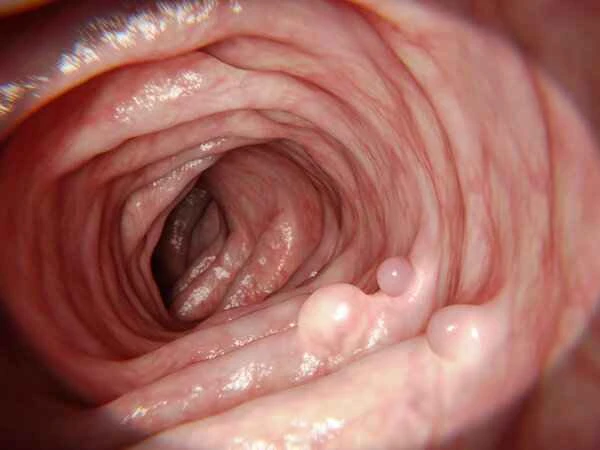
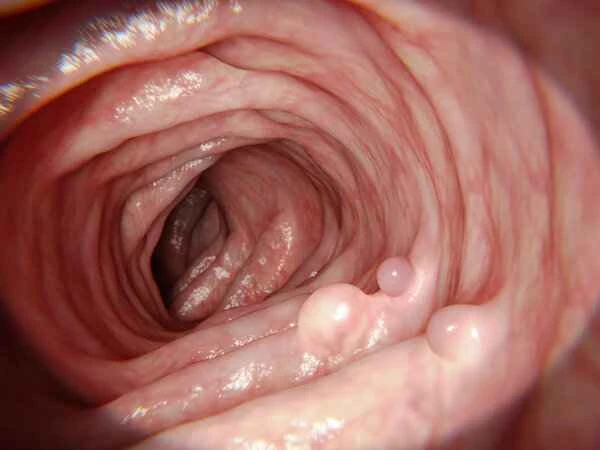
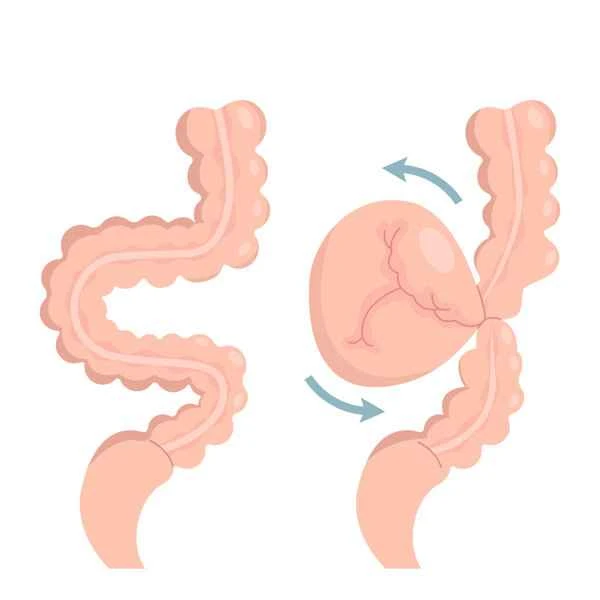
Intestinal polyps are abnormal growths that develop on the inner wall of the colon. They are a common colonic condition and are usually discovered during a physical examination or when examined for other symptoms.
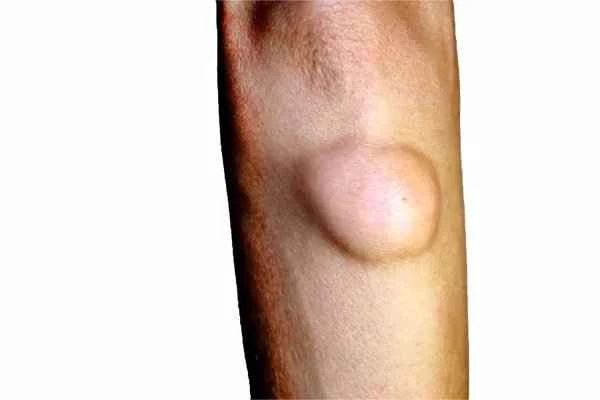
Intestinal polyps are important because they can be a precursor to colorectal cancer. Although most polyps are benign, they have the potential to become malignant over time, making early detection and treatment crucial for preventing colorectal cancer. Understanding and being aware of colorectal polyps helps in taking timely action to reduce potential health risks.

Internally, the formation of colon polyps is related to a variety of factors, including genetics, diet, and lifestyle. They can be single or multiple, and vary in size, ranging from a few millimeters to several centimeters. Polyps usually do not cause obvious symptoms, so regular colonoscopies are an effective way to detect them early. Through endoscopy, doctors can visually observe the morphology of the polyps and, if necessary, perform biopsies to determine their nature.
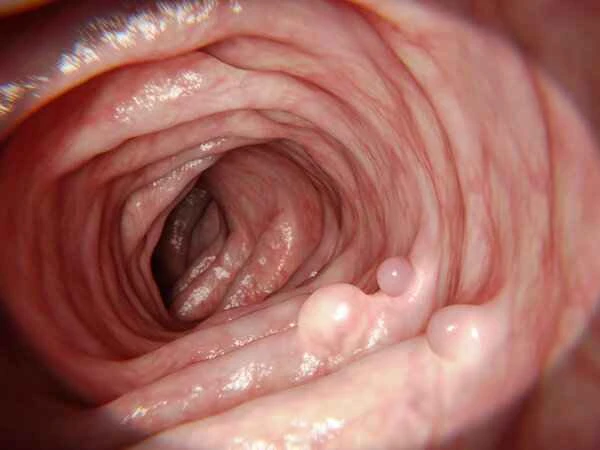
If polyps are found during a checkup, it's important to view their potential risks objectively. Not all polyps will develop into cancer, but their presence does increase the likelihood. Doctors may recommend removing the polyps to reduce the risk. At the same time, patients should avoid excessive anxiety and should follow their doctor's instructions for necessary follow-up examinations to ensure their health is continuously monitored.
【Useful Tips:】
1. Have regular colonoscopies, especially for people with a family history of colonoscopies or other risk factors.
2. Maintain healthy eating habits, increase dietary fiber intake, and reduce consumption of red and processed meats.
3. Maintain a healthy weight and avoid obesity.
4. If you are diagnosed with polyps, follow your doctor's advice for treatment and have regular check-ups to monitor for changes.