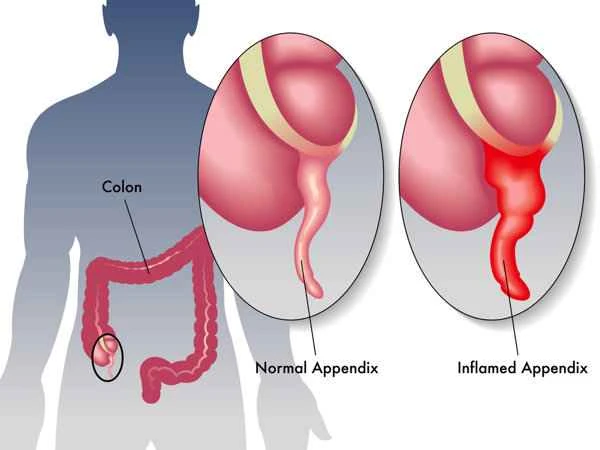
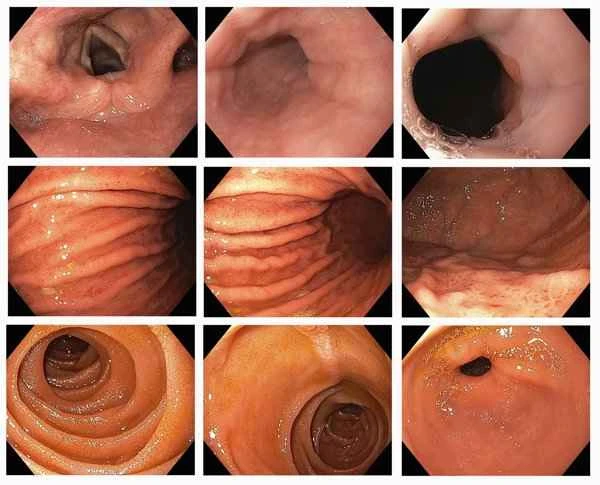
The procedure of removing polyps via colonoscopy may cause some discomfort, but it usually does not cause severe pain.
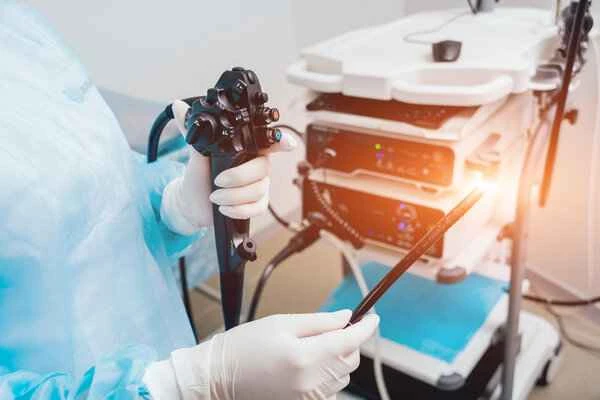
Colonoscopy for polyp removal is usually performed under anesthesia to minimize patient discomfort. During the procedure, a special instrument is used to remove the polyp through the endoscope. While this process may cause some discomfort, most patients report that the level of discomfort is acceptable. The doctor will choose the appropriate anesthesia method based on the patient's specific situation to ensure comfort throughout the procedure. Local anesthesia reduces pain, while sedatives help patients relax and reduce anxiety. Advances in modern medical technology have made colonoscopy for polyp removal safer and more comfortable, and many patients recover quickly after the procedure.
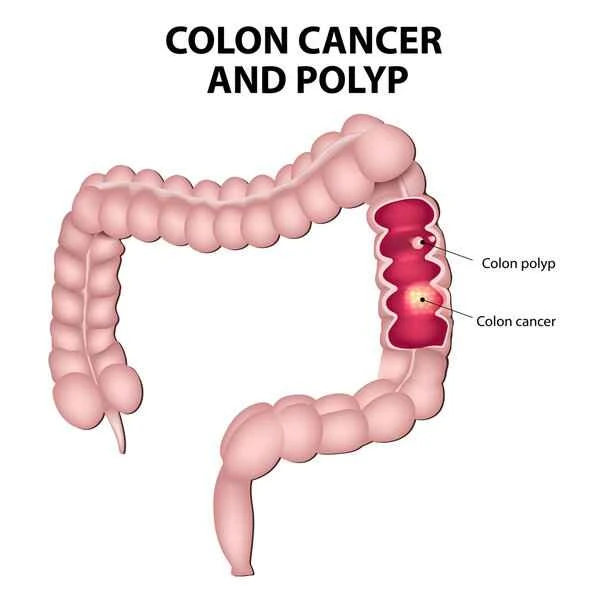
It's important to note that colonoscopy for polyp removal is not entirely without risk. While most patients complete the procedure successfully, some potential risks and complications remain. For example, bowel damage, including bleeding and perforation, can occur during colonoscopy and polyp removal. Although the incidence of these complications is low, they can have serious health consequences if they occur. Before performing colonoscopy for polyp removal, doctors typically conduct a comprehensive evaluation of the patient, including medical history, physical examination, and necessary laboratory tests, to ensure the safety of the procedure. After surgery, patients need to follow their doctor's advice and get adequate rest and recovery to reduce the risk of complications.

[Management Tip:]
1. Follow your doctor's instructions after surgery, and pay attention to rest and diet.
2. Observe carefully for possible postoperative complications, such as persistent bleeding or abdominal pain.
3. Have regular colonoscopies to monitor for polyp recurrence.