Appendicitis perforation is indeed life-threatening. Appendicitis is a common acute abdominal pain condition, and when the appendix is inflamed and not treated promptly, perforation can occur. Appendicitis perforation leads to intra-abdominal infection, or peritonitis, a serious complication that can rapidly cause septic shock and threaten life. After perforation, bacteria and pus can directly enter the abdominal cavity, causing systemic infection and, in severe cases, multiple organ failure.
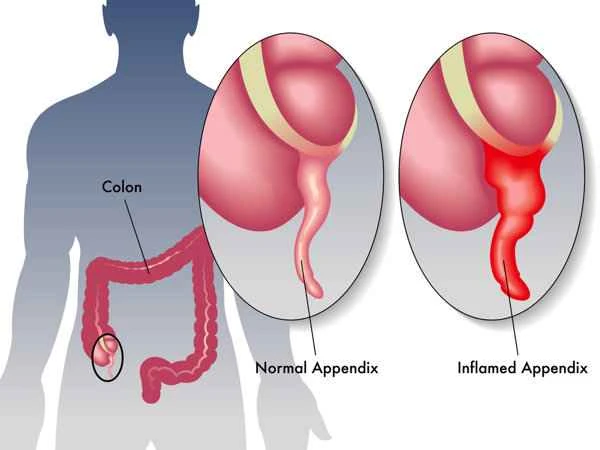
The danger of appendicitis perforation lies in the peritonitis it causes. In this case, bacteria can rapidly spread to other organs in the abdominal cavity, leading to a widespread inflammatory response. Perforation can also allow intestinal contents to enter the abdominal cavity directly, causing chemical peritonitis and further exacerbating the infection. If a patient experiences perforation, immediate surgical intervention is necessary to remove the source of infection from the abdominal cavity and administer appropriate antibiotics to control the infection. Without prompt treatment, the infection can rapidly worsen, leading to serious complications and even death.

When managing a perforated appendix, it's important to recognize that even with timely surgery and antibiotic treatment, patients may face long-term health problems. For example, postoperative adhesions may develop, leading to chronic abdominal pain or bowel obstruction. If the infection is not fully controlled, it can lead to sepsis or other serious complications. Even if the patient receives appropriate treatment during the acute phase, subsequent monitoring and management remain crucial.

[Management Tip:]
1. Have regular check-ups to monitor the body's recovery.
2. Pay attention to your diet, avoid spicy foods, and reduce the burden on your intestines.
3. If symptoms such as persistent abdominal pain or fever occur, seek medical attention promptly.