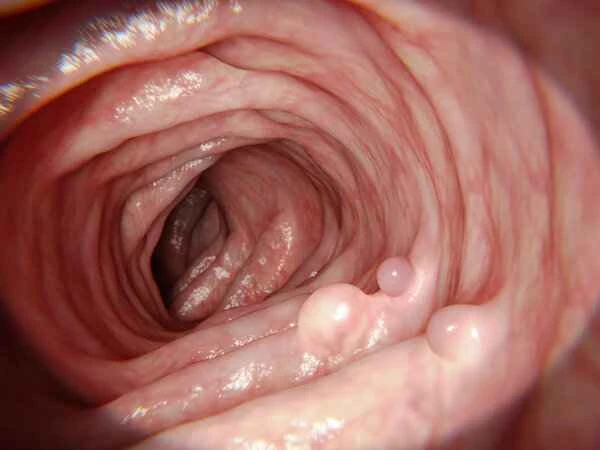
Postoperative symptoms of intestinal obstruction refer to a series of physical reactions and discomforts that may occur in patients after surgical treatment for intestinal obstruction. The occurrence of postoperative symptoms is closely related to the surgical method, the patient's physical condition, and the postoperative recovery process.
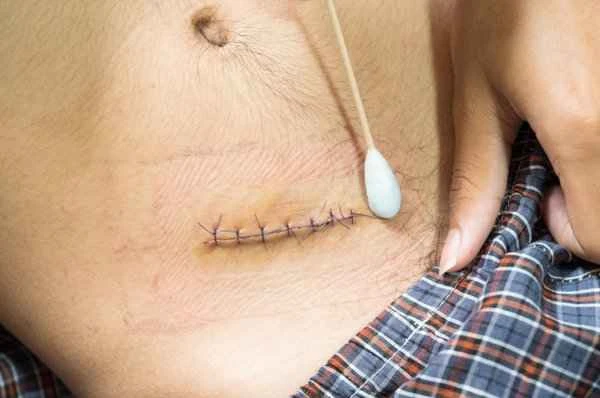
Postoperative symptoms primarily manifest as changes in the digestive system. After surgery, patients may experience a period of indigestion, characterized by bloating, abdominal pain, nausea, and vomiting. These symptoms are usually due to the direct intervention of the intestines during surgery, which may affect normal intestinal motility, thus impacting food digestion and absorption. During the recovery period, the intestines need time to adapt to the new physiological state, which may also lead to the aforementioned symptoms. In some cases, patients may experience fever, wound pain, and changes in bowel habits; these symptoms may be due to surgical trauma, infection, or other complications.
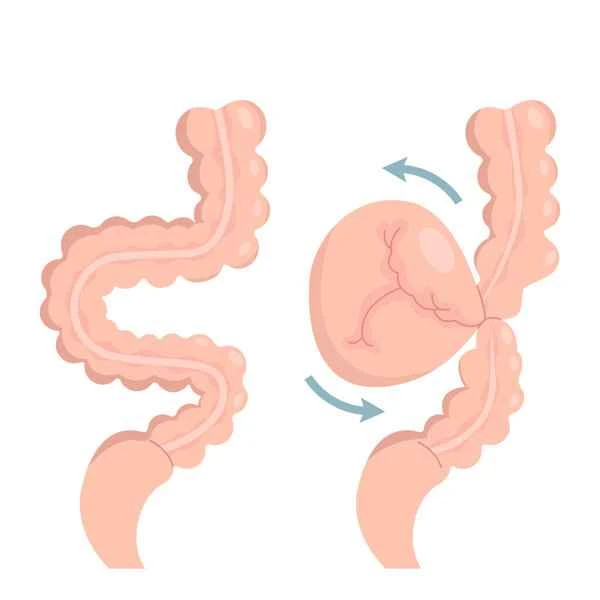
It is important to note that while the above symptoms are common postoperative manifestations, their severity and duration vary from person to person. Postoperative recovery is a complex process influenced by various factors, including the surgical procedure, the patient's overall health, and the quality of postoperative care. Patients should closely monitor their physical condition during postoperative recovery and communicate with their doctors promptly to identify and address any potential problems.
[Management Tip:]
1. Regularly monitor your physical condition, such as body temperature and wound healing.
2. Adjust your eating habits, follow your doctor's dietary advice, and gradually return to a normal diet.
3. If you experience persistent abdominal pain, fever, or other symptoms, you should seek medical attention promptly.