The interval between follow-up examinations for hyperplastic intestinal polyps is usually determined by the doctor based on the nature of the polyps and the patient's specific condition.
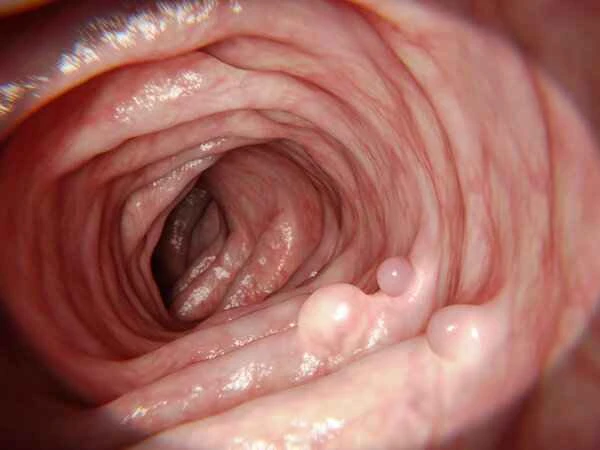
Hyperplastic intestinal polyps are a common intestinal lesion, typically manifesting as benign growths on the intestinal mucosa. Most of these polyps are benign, but there is a potential risk of malignant transformation. The timing of follow-up examinations for hyperplastic intestinal polyps will be determined by the doctor based on factors such as the size, number, and shape of the polyps, as well as whether the patient has other related diseases. Generally, if the polyps are small and few in number, the doctor may recommend a colonoscopy every 3-5 years; while if the polyps are large or numerous, the interval between examinations may be shorter, or even annually. If the polyps show signs of malignancy, the doctor may recommend more frequent examinations to ensure timely detection and treatment of any potential malignant changes.

The frequency of follow-up examinations for hyperplastic intestinal polyps is directly affected not only by the characteristics of the polyps themselves but also by the patient's overall health condition. For example, if the patient has inflammatory bowel disease or familial adenomatous polyposis, the frequency of follow-up examinations may be higher. The interval between follow-up examinations may also be affected by factors such as the patient's age and lifestyle habits. When determining the interval between follow-up examinations, doctors will comprehensively consider the above factors to develop the most suitable follow-up plan for the patient.

[Management Tips]
1. Have regular colonoscopies and follow the doctor's recommended follow-up intervals.
2. Maintain a healthy lifestyle, including a balanced diet and moderate exercise.
3. Pay attention to changes in your body. If you experience symptoms such as abdominal pain or rectal bleeding, seek medical attention promptly.