Suppurative appendicitis usually requires surgical treatment. When the appendix becomes purulent, it means the inflammation has progressed to a more serious stage. If not treated promptly, it may lead to appendiceal perforation and serious complications such as peritonitis. Surgery is currently the standard treatment for suppurative appendicitis, effectively removing the lesion and preventing further deterioration of the condition.
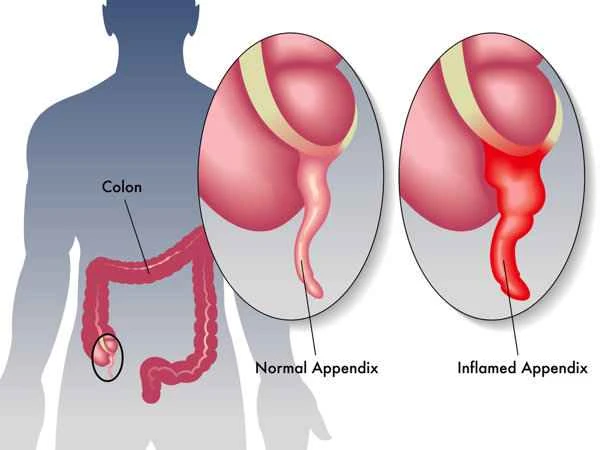
Treatment for suppurative appendicitis primarily relies on surgery, the core of which is the swift removal of the inflamed appendix to prevent the spread of infection. During the procedure, the doctor will carefully examine the appendix and surrounding tissues to ensure that all infected areas are thoroughly removed. Post-operatively, patients typically require a recovery period during which antibiotics may be used to prevent or treat any potential infections. Close monitoring of the patient's recovery is also necessary post-operatively to ensure no complications occur.

There are some common misconceptions in the decision-making process for treating suppurative appendicitis. Some patients may believe that suppurative appendicitis can be controlled with medication, but this often only temporarily relieves symptoms and does not cure the problem. Some patients may worry about the risks of surgery, but in fact, modern medical technology has made appendectomy relatively safe and low-risk. Finally, timely surgical treatment can not only effectively prevent complications but also significantly improve treatment outcomes and the patient's quality of life.

[Management Tip:]
1. Ensure timely medical attention to prevent the condition from worsening.
2. Follow your doctor's instructions after surgery and have regular follow-up examinations.
3. Pay attention to your diet and avoid spicy or irritating foods.