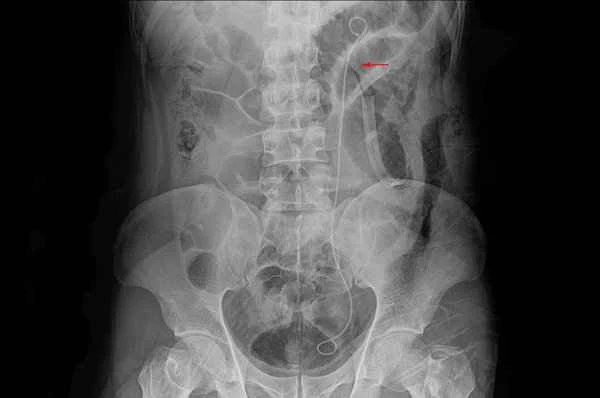
Consulting an internist is appropriate for intestinal obstruction, as internists can perform initial diagnosis and treatment. Intestinal obstruction refers to a condition where the passage of intestinal contents is blocked, which can be caused by factors inside or outside the intestines. An internist will determine the cause and severity of the obstruction through a medical history, physical examination, and necessary auxiliary examinations (such as X-rays and CT scans). Based on the examination results, the internist can develop an appropriate treatment plan, including medication, dietary adjustments, or further specialist consultation.

In treating intestinal obstruction, internists will comprehensively consider the patient's specific situation, including the cause, location, and severity of the obstruction, as well as any potential complications. The goal of treatment is to relieve the obstruction and restore normal bowel function. In some cases, if medical treatment is ineffective, referral to surgery may be necessary. Internists will adjust the treatment plan promptly based on the progression of the condition to ensure the patient receives the most appropriate care.
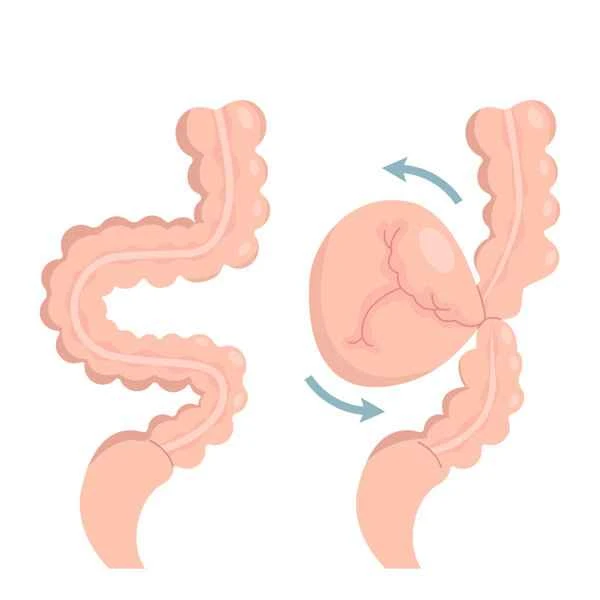
During the treatment of intestinal obstruction, patients may encounter some potential risks and misconceptions. Treatment of intestinal obstruction is not a quick fix; it requires patients to actively cooperate with the doctor's treatment plan, including dietary control and medication use. The effectiveness of intestinal obstruction treatment is closely related to the patient's overall health condition; some chronic diseases or complications may increase the difficulty of treatment. Treatment of intestinal obstruction may also be accompanied by certain risks, such as infection and electrolyte imbalance, which need to be noted and prevented during treatment.

[Management Tip:]
1. Monitor your physical condition regularly and promptly identify and report any discomfort symptoms.
2. Follow your doctor's advice, arrange your diet reasonably, and avoid eating foods that easily produce gas.
3. Maintain good lifestyle habits and avoid overwork and mental stress.
4. If you experience severe abdominal pain, vomiting, bloating, or other symptoms, seek medical attention immediately.