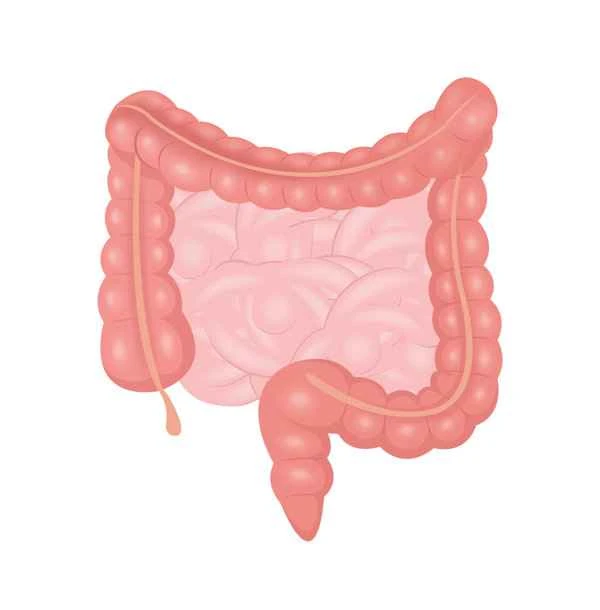
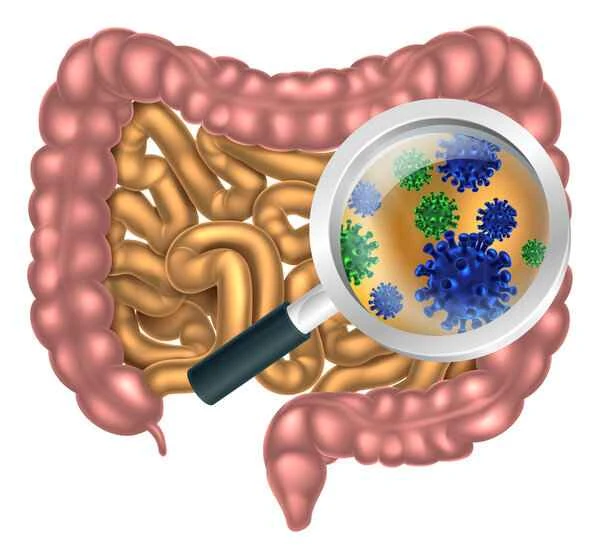
Preparation before polyp removal is crucial to ensure the safety and effectiveness of the surgery. Patients need to undergo a comprehensive physical examination, including blood tests, an electrocardiogram (ECG), and a chest X-ray, to assess their overall health. A colonoscopy will be performed to determine the location, size, and number of polyps, which is essential for developing a surgical plan. Patients also need to undergo bowel preparation before surgery, including taking laxatives and adjusting their diet, to ensure bowel cleanliness and reduce the risk of infection. These preparations help improve the success rate of the surgery and reduce the occurrence of postoperative complications.
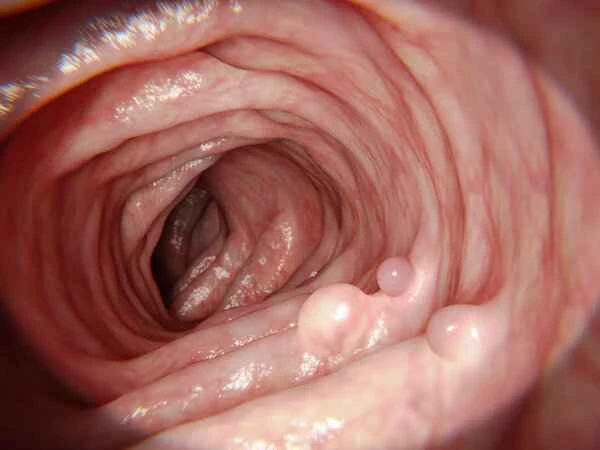
In addition to the preparations mentioned above, patients also need to understand the potential risks and possible complications of polyp removal surgery. Although polyp removal surgery is a relatively safe procedure, complications such as infection, bleeding, and intestinal obstruction can still occur. Patients should have a thorough discussion with their doctor before surgery to understand the risks and possible consequences in order to make an informed decision. Patients also need to follow their doctor's advice, such as fasting and discontinuing certain medications, to ensure the safety of the surgery.

[Management Tip:]
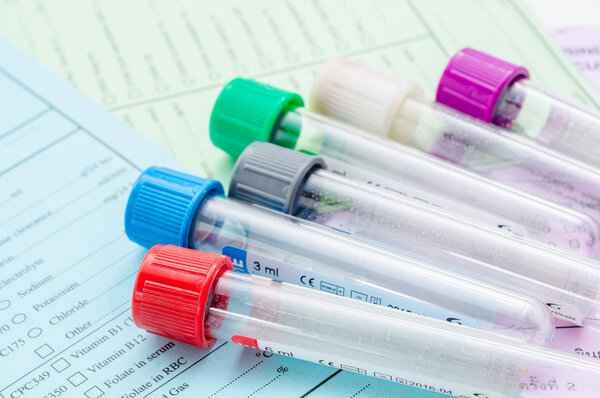
1. A comprehensive physical examination will be conducted before the surgery to ensure that the patient's physical condition is suitable for the procedure.
2. Strictly follow your doctor's instructions for bowel preparation to ensure bowel cleanliness.
3. Understand the risks and possible consequences of the surgery, and communicate fully with your doctor.
4. Follow your doctor's advice after surgery, pay attention to rest and diet, and avoid strenuous exercise.