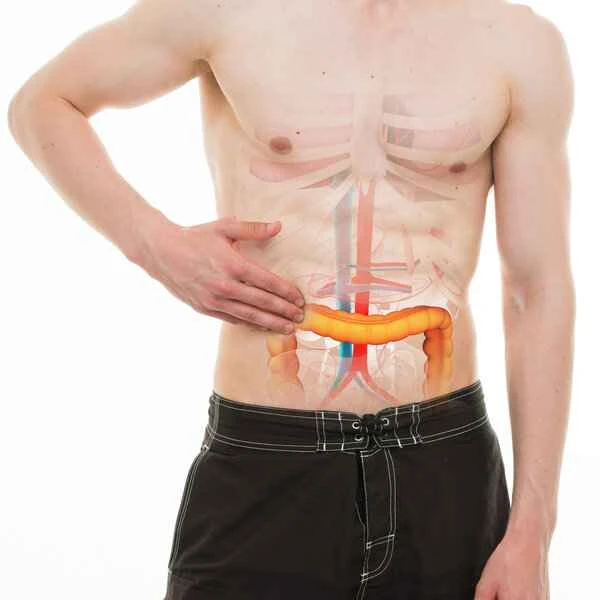
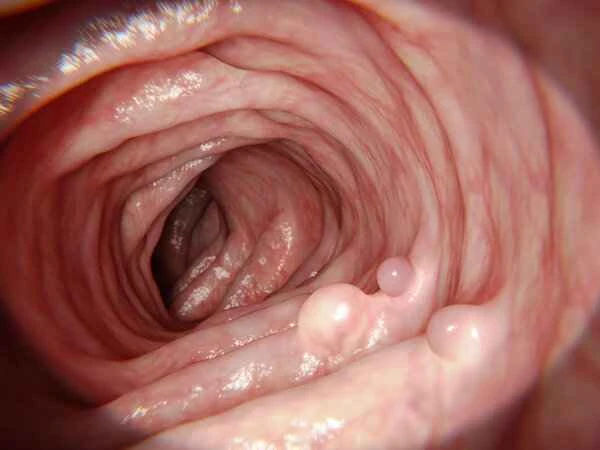
Eating beef and mutton does not directly cause intestinal obstruction, but improper dietary habits may increase the risk of intestinal obstruction.
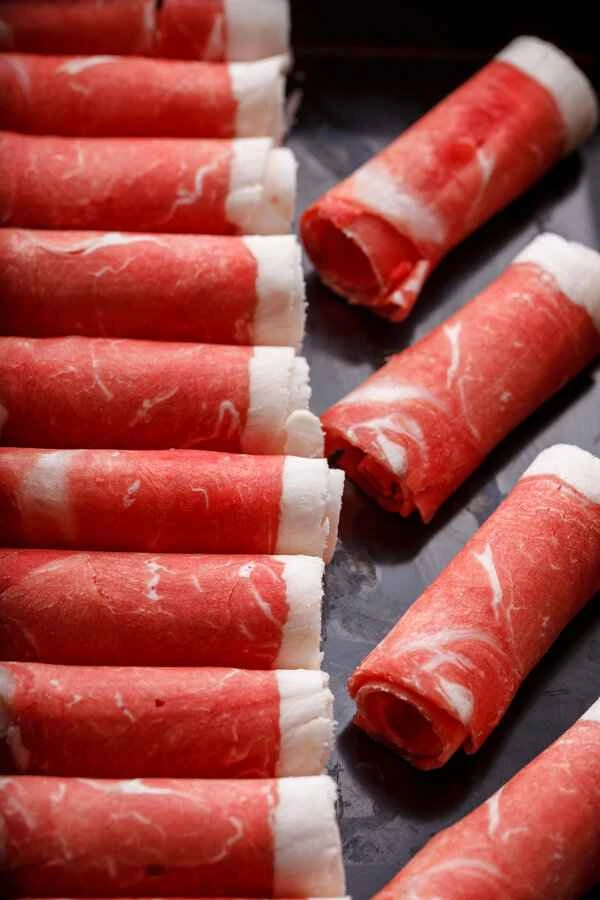
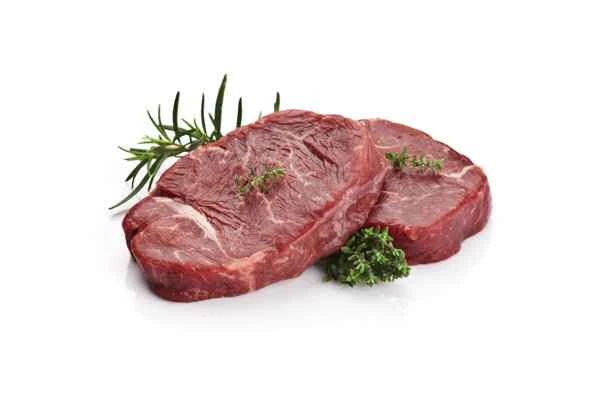
Beef and mutton are rich in high-quality protein and various nutrients, which are beneficial to human health. However, if the cooking methods and quantity of food are not carefully considered, the risk of intestinal obstruction may increase. For example, if beef or mutton is overcooked, becoming very tough and difficult to digest, or if too much is consumed at once, causing excessive burden on the intestines, the risk of intestinal obstruction may be indirectly increased. The presence of indigestible substances in beef or mutton, such as bone fragments, may also be a contributing factor to intestinal obstruction.
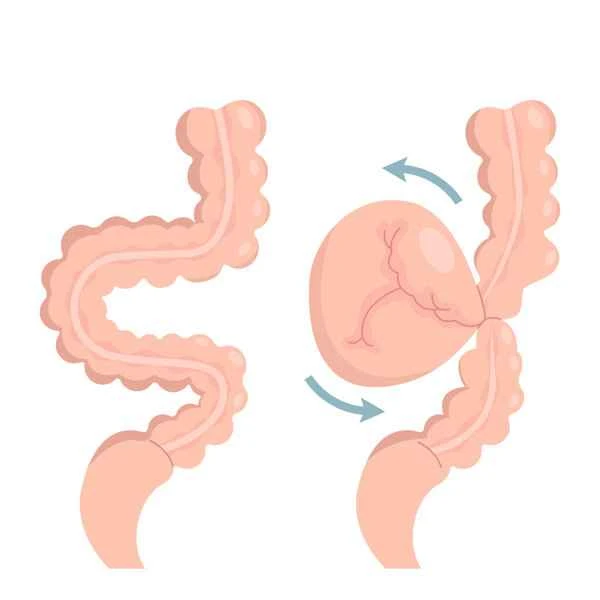
To reduce the risk of intestinal obstruction, it is recommended to choose fresh, easily digestible beef and lamb, avoid excessive consumption, and pay attention to cooking methods to ensure easy digestion. Maintaining good eating habits, such as chewing slowly and thoroughly, and avoiding the simultaneous intake of large amounts of difficult-to-digest foods, can further reduce the risk of intestinal obstruction.
[Life Tips:]
1. Choose fresh, easily digestible beef and lamb.
2. Pay attention to cooking methods to ensure food is easy to digest.
3. Avoid consuming too much beef and mutton at once.
4. Maintain good eating habits and chew food thoroughly.