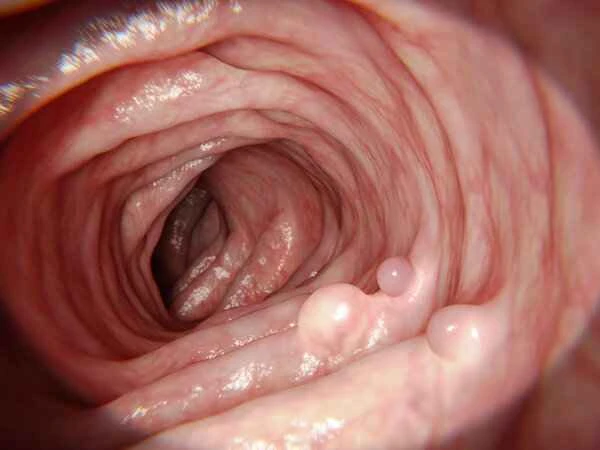
The treatment time for intestinal polyps depends on a variety of factors, including the size, number, and location of the polyps, as well as the risk of malignancy. Treatment typically requires a comprehensive medical approach, including endoscopic resection, medication, and lifestyle modifications.
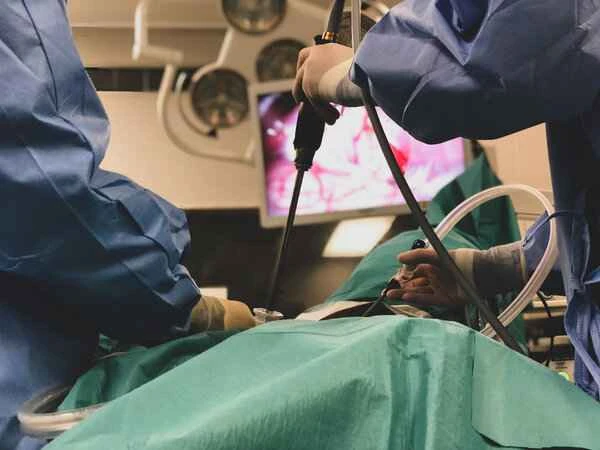
Treatment for intestinal polyps typically begins with the discovery and removal of the polyp via endoscopy. Endoscopic resection is a common treatment method suitable for most polyps. After surgery, the polyp is sent to a pathology laboratory for further examination to determine its nature, such as whether it is an adenomatous polyp or an inflammatory polyp. For smaller, benign polyps, no further treatment may be necessary after removal, but regular follow-up is required to monitor for the appearance of new polyps. For larger polyps or those with a risk of malignancy, further treatment, such as medication or surgery, may be required. Treatment time can range from several weeks to several months, depending on the nature of the polyp and the chosen treatment regimen.
There are some risks and misconceptions that may arise during the treatment of intestinal polyps. Treatment is not a one-time fix; even after successful polyp removal, patients still need regular colonoscopies to monitor for the appearance of new polyps. The effectiveness of intestinal polyp treatment is also affected by the patient's lifestyle, such as diet and exercise levels. Finally, intestinal polyp treatment may require long-term medication; patients need to take medication as prescribed by their doctor to avoid side effects from drug misuse.
[Management Tip:]
1. Have regular colonoscopies to monitor changes in polyps.
2. Adjust your diet and reduce your intake of high-fat and high-protein foods.
3. Maintain appropriate exercise to improve physical fitness.
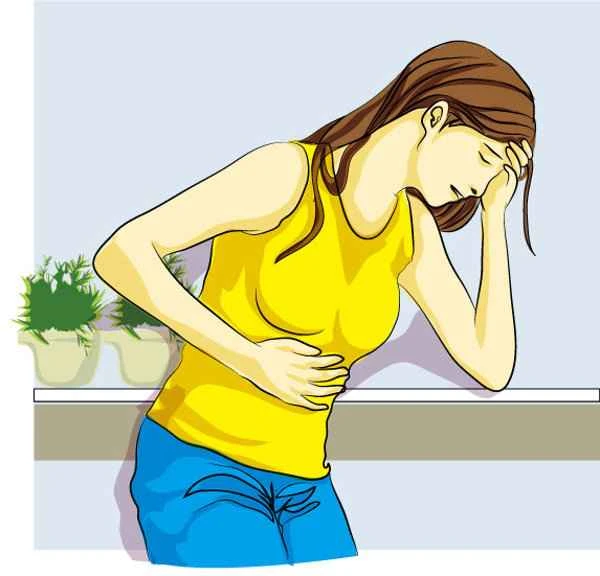
4. If symptoms such as abdominal pain or rectal bleeding occur, seek medical attention promptly.