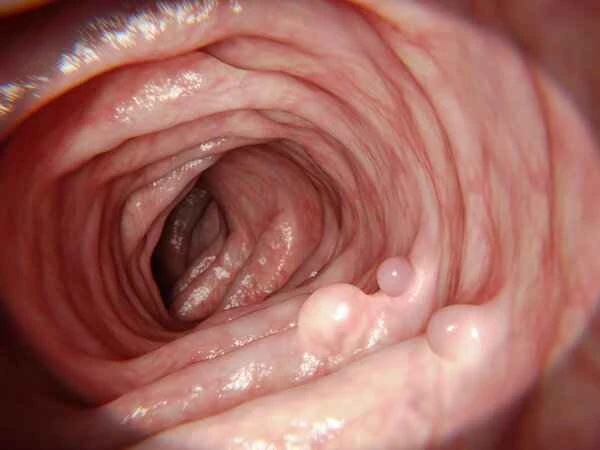
Intestinal obstruction can cause vomiting. Intestinal obstruction is a condition where the passage of intestinal contents is blocked, leading to a range of symptoms including abdominal pain, bloating, constipation, and vomiting. When the intestines are blocked, the pressure within them increases significantly, preventing the normal passage of intestinal contents. This increased pressure stimulates the intestinal nerves, triggering the vomiting reflex and causing vomiting.

The mechanism of vomiting caused by intestinal obstruction is mainly related to increased intestinal pressure and nerve reflexes. When the intestines are blocked, the pressure within the intestines increases significantly, preventing intestinal contents from passing through normally. This increased pressure stimulates the intestinal nerves, triggering the vomiting reflex and causing vomiting. Increased intestinal pressure can also lead to impaired intestinal blood circulation, further exacerbating symptoms. Vomiting is a common symptom in intestinal obstruction; it can help relieve pressure within the intestines, but it can also further worsen dehydration and electrolyte imbalances.
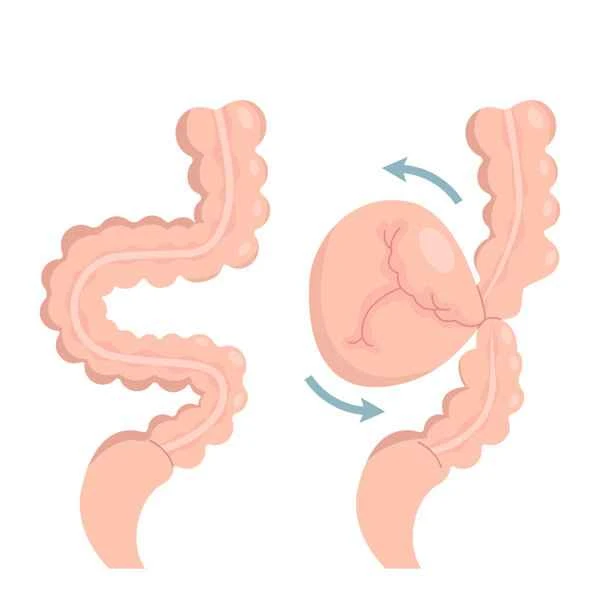
Treatment of intestinal obstruction requires a comprehensive consideration of the patient's specific condition, including the cause, location, and severity of the obstruction, as well as accompanying symptoms. Treatment methods may include medication, surgical intervention, and supportive care. Medication primarily relieves symptoms, such as with analgesics and antiemetics. Surgical intervention may be used to relieve the obstruction, such as through bowel resection or anastomosis. Supportive care includes maintaining electrolyte balance, nutritional support, and preventing complications. Throughout the treatment process, the physician will develop a personalized treatment plan based on the patient's specific condition to achieve the best possible outcome.

[Management Tip:]
1. Regularly monitor bowel function, such as bowel movements and abdominal condition.
2. Adjust your eating habits and avoid foods that may cause intestinal discomfort.
3. If you experience symptoms such as abdominal pain, bloating, constipation, or vomiting, you should seek medical attention promptly.