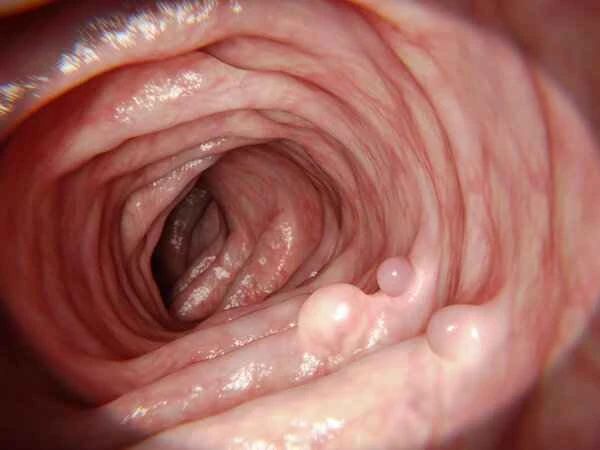
Intestinal polyps are not the same as anal polyps; they are polyps that occur in different locations. Intestinal polyps refer to polyps that occur in the large intestine (including the colon and rectum), while anal polyps refer to polyps that occur in the anal area. Understanding the difference between the two helps us to more accurately diagnose the condition and take appropriate treatment measures.
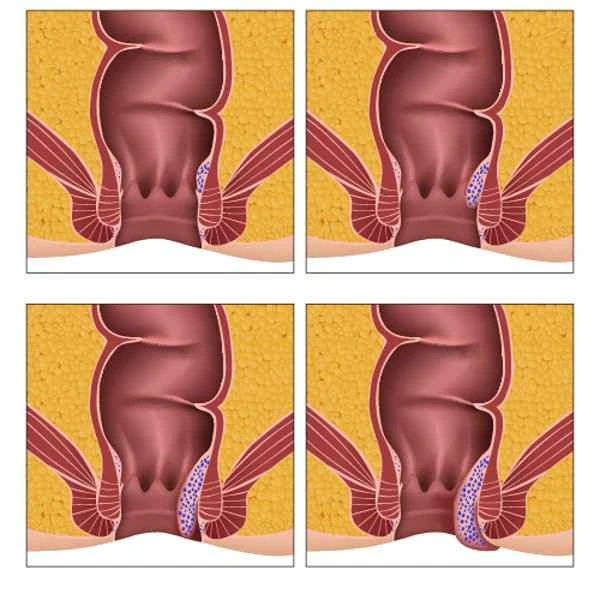
Understanding the differences between intestinal polyps and anal polyps helps doctors and patients better communicate about their conditions and develop appropriate treatment plans. This not only helps improve diagnostic accuracy but also helps patients better understand their condition, thus encouraging them to actively cooperate with treatment.
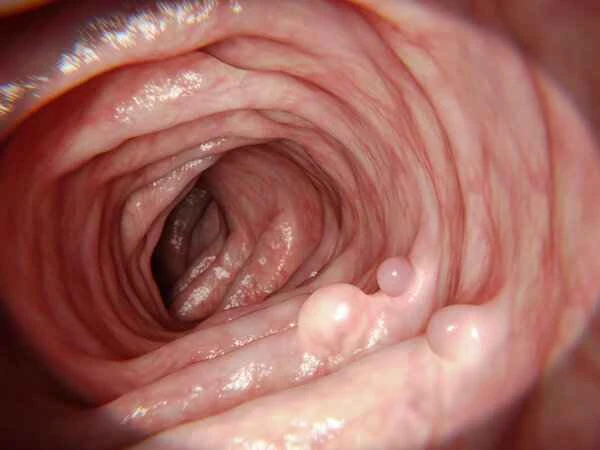
Although both intestinal polyps and anal polyps are polyps, they differ in their location, causes, and treatments. Intestinal polyps typically occur on the mucosa of the colon or rectum and may be related to factors such as genetics, diet, and inflammation. Anal polyps, on the other hand, usually occur in the anal area and may be related to local inflammation or infection. Understanding these differences helps doctors make more accurate diagnoses and develop more effective treatment plans.
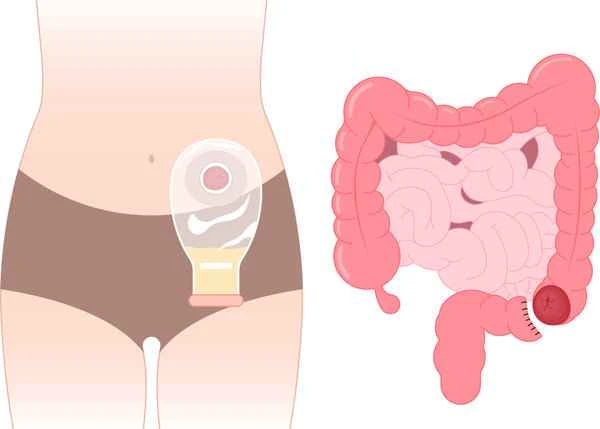
When faced with a diagnosis of intestinal or anal polyps, we should view this information objectively. The nature and impact of intestinal and anal polyps differ, therefore, their severity needs to be assessed on a case-by-case basis. At the same time, we should be wary of overinterpreting test results to avoid unnecessary anxiety that could negatively impact our quality of life. During treatment, the most important thing is to follow the doctor's professional advice, have regular checkups, and adjust the treatment plan as needed.
【Useful Tips:】
1. Undergo regular colorectal cancer screening, especially for people with a family history of the disease.
2. Pay attention to a healthy diet, eat more vegetables and fruits, and eat less high-fat foods.
3. Maintain regular lifestyle habits and avoid prolonged sitting.
4. If symptoms such as abdominal pain or rectal bleeding occur, seek medical attention promptly.