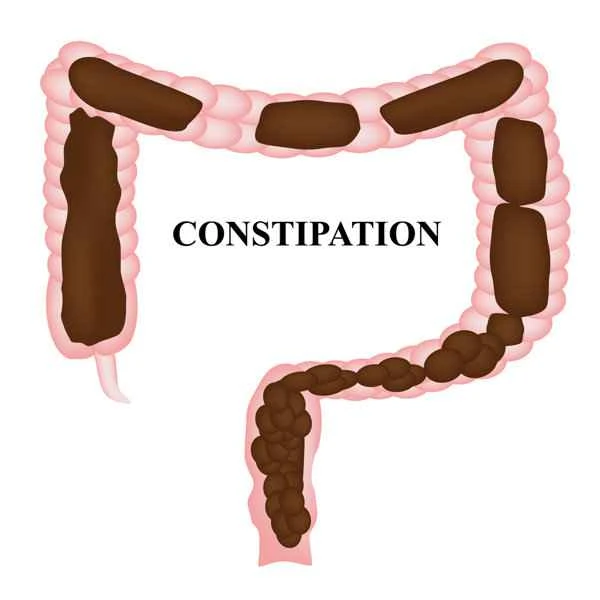
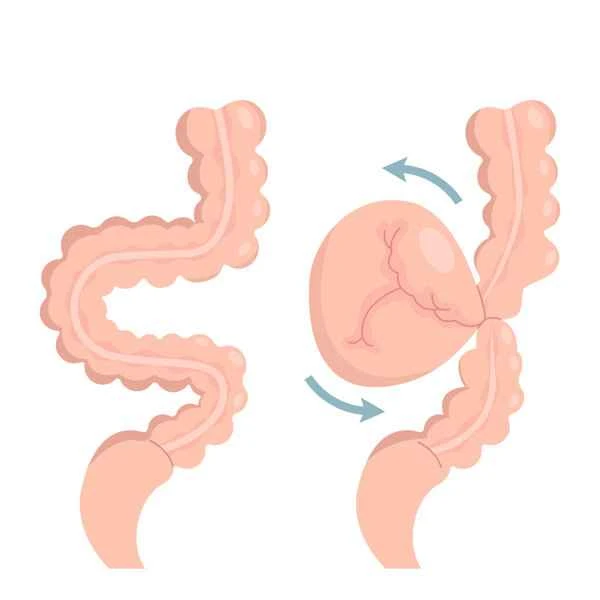
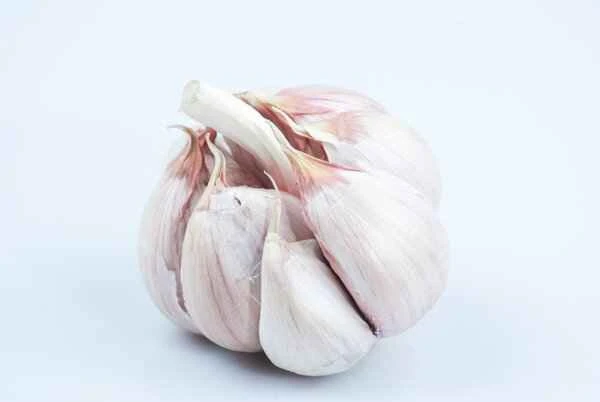
Whether eating garlic is effective for treating intestinal polyps depends on whether the components in garlic can have a positive effect on the polyps. Garlic contains a component called sulfide, which is believed to have certain anti-inflammatory and anti-tumor effects. However, there is currently insufficient scientific evidence to support its specific therapeutic effect on intestinal polyps.
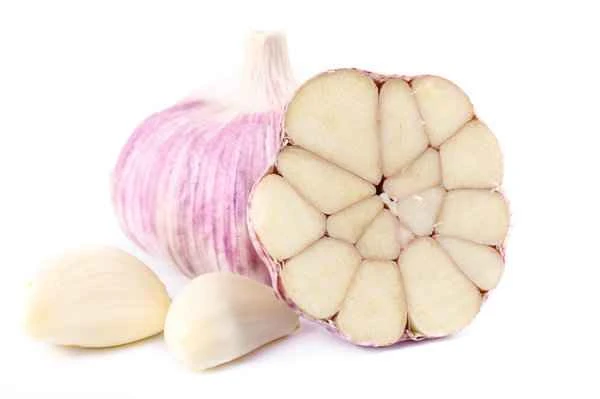
The sulfides in garlic can promote the body's production of antioxidants, thereby combating inflammation and oxidative stress. Some studies suggest that components in garlic may have an inhibitory effect on tumor growth. These studies have primarily focused on laboratory settings or animal models. For the specific condition of intestinal polyps, there are currently insufficient clinical studies to demonstrate the direct therapeutic effect of garlic. While garlic may have health benefits, whether it can effectively treat intestinal polyps requires further scientific research to verify.
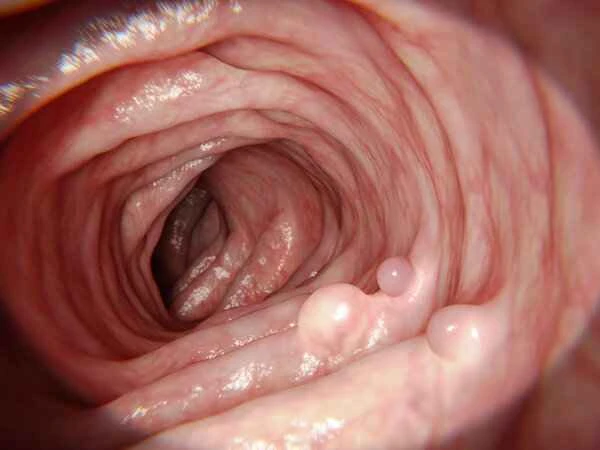
When considering using garlic or other foods as a treatment, it's important to be aware of some potential risks and misconceptions. While garlic may have health benefits, it cannot replace a doctor's diagnosis and treatment advice. For some people, consuming garlic may cause gastrointestinal discomfort such as bloating and diarrhea. Certain components in garlic may interact with some medications, affecting their effectiveness. It's best to consult a doctor before trying garlic or other foods as a treatment to ensure safety and effectiveness.
[Management Tip:]
1. Have regular colonoscopies to monitor changes in intestinal polyps.
2. Adjust your diet and increase your intake of dietary fiber.
3. If symptoms such as abdominal pain or rectal bleeding occur, seek medical attention promptly.