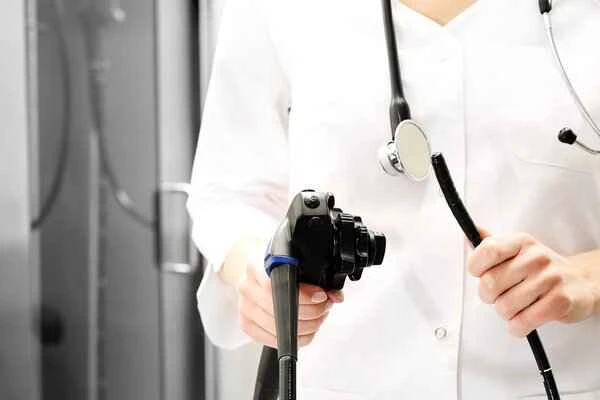
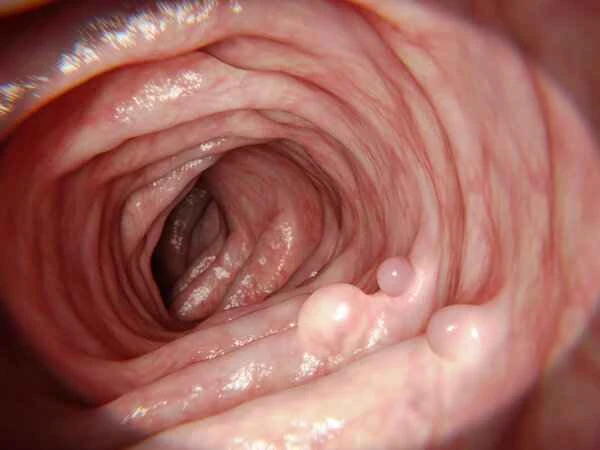
Treatment for hyperplastic intestinal polyps primarily involves removing the polyps via endoscopic or surgical resection to prevent malignant transformation. Hyperplastic intestinal polyps are a common intestinal lesion characterized by the abnormal proliferation of cells in the intestinal mucosa, forming polyps. The main goal of treatment is to remove the polyps and prevent them from developing into malignant tumors. During treatment, the doctor will choose the appropriate treatment method based on factors such as the size and number of polyps and the risk of malignancy. For smaller polyps, endoscopic resection is usually used, directly removing the polyps endoscopically, resulting in minimal trauma and rapid recovery. For larger or more numerous polyps, surgical resection may be necessary to ensure complete removal. During treatment, the doctor will also assess the nature of the polyps based on the patient's specific condition and pathological examination results to develop a personalized treatment plan.
When treating hyperplastic intestinal polyps, in addition to directly removing the polyps, it is also necessary to pay attention to the patient's overall health, including dietary habits and lifestyle. Treatment of hyperplastic intestinal polyps is not limited to polyp removal; it requires a comprehensive consideration of the patient's overall health. During treatment, patients should maintain good dietary habits, avoiding high-fat and high-calorie foods, and eating more fiber-rich foods such as vegetables and fruits, which helps improve the intestinal environment and reduce the risk of polyp recurrence. Patients also need to maintain a regular lifestyle, avoid overwork, and maintain a positive attitude, all of which contribute to improving treatment effectiveness and promoting recovery.
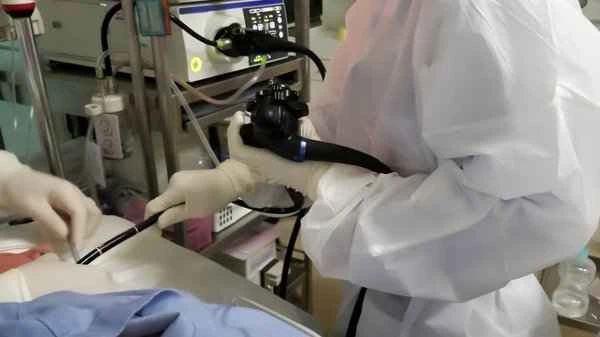
Treatment of hyperplastic intestinal polyps may involve some potential risks, such as complications like intestinal perforation and bleeding that can result from endoscopic resection. Choosing the appropriate timing and method of treatment is crucial. Patients may have misconceptions, such as believing that everything is fine after polyp removal and neglecting follow-up monitoring and lifestyle adjustments. While receiving treatment, patients should actively cooperate with their doctor's advice, have regular check-ups, and promptly identify and address any potential problems.
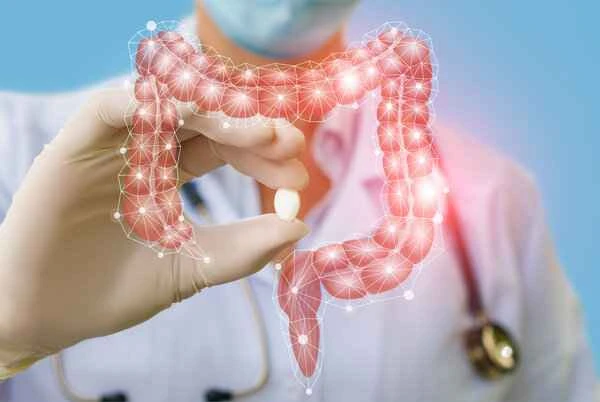
[Management Tip:]
1. Have regular colonoscopies to monitor changes in polyps.
2. Adjust your diet by reducing your intake of high-fat and high-calorie foods and increasing your intake of dietary fiber.
3. Maintain a regular daily routine, avoid overwork, and maintain a positive attitude.
4. If symptoms such as abdominal pain or rectal bleeding occur, seek medical attention promptly.