Intravenous infusion may cause abdominal pain in cases of intestinal obstruction. Intravenous infusion is a common treatment for intestinal obstruction, helping to relieve pressure within the intestines. However, the infusion process may irritate the already obstructed intestines, thus causing abdominal pain.
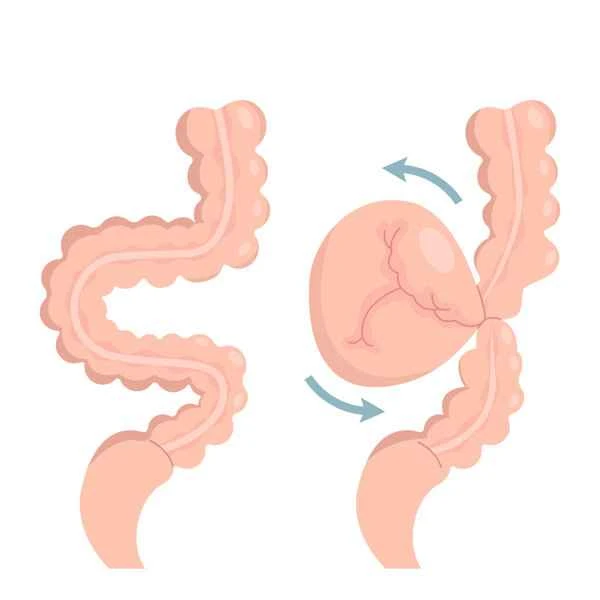
Intestinal obstruction is a serious digestive system disorder. Intravenous fluid therapy aims to correct fluid and electrolyte imbalances and reduce intestinal pressure. However, the infusion itself may irritate the already obstructed intestines, especially if the infusion rate is too fast or the volume is too large, potentially increasing the burden on the intestines and causing abdominal pain. During the infusion process, the increased fluid in the intestines may further exacerbate intestinal distension and pressure, leading to abdominal pain.

During the treatment of intestinal obstruction, doctors will choose an appropriate intravenous infusion plan based on the patient's specific condition to minimize the irritation to the intestines. At the same time, doctors will closely monitor the patient's symptoms, and will promptly adjust the treatment plan if abdominal pain or other discomfort occurs to ensure the safety and effectiveness of the treatment.

[Management Tip:]
1. If you experience any discomfort such as abdominal pain during the infusion process, please inform your doctor immediately.
2. During the infusion process, an appropriate infusion rate and volume should be maintained to reduce irritation to the intestines.
3. During the infusion process, the patient's symptoms should be closely monitored, and the treatment plan should be adjusted in a timely manner.