Patients with intestinal obstruction should not eat watermelon.

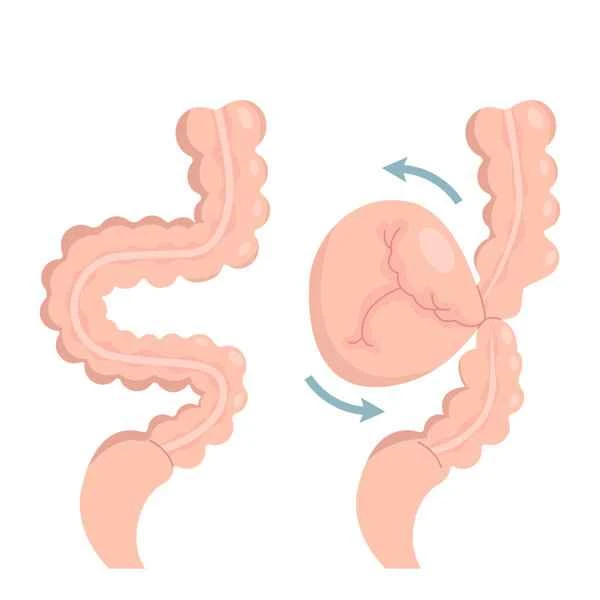
Intestinal obstruction is a bowel dysfunction characterized by the inability of intestinal contents to pass normally through the intestines. In cases of intestinal obstruction, normal peristalsis of the digestive tract is hindered, preventing food from passing smoothly through the intestines. Watermelon, a fruit with a high water content and soft texture, may increase the burden on the intestines and further obstruct the passage of intestinal contents during an intestinal obstruction, thus worsening the condition. During an intestinal obstruction, it is advisable to avoid consuming high-water, high-fiber foods such as watermelon to reduce the burden on the intestines and promote the recovery of intestinal function.
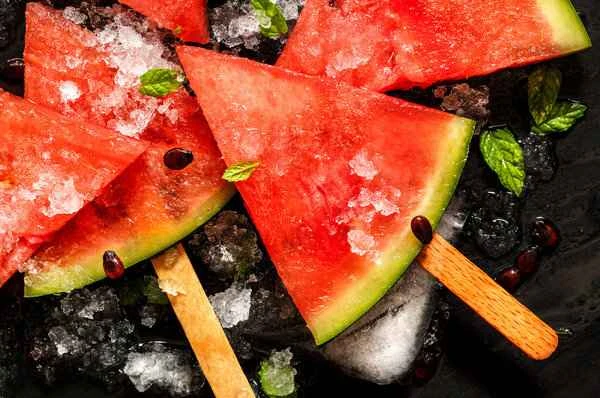
Dietary management is a crucial aspect of treating intestinal obstruction. Patients need to follow their doctor's advice and adopt appropriate dietary control measures to avoid further irritation of the intestines. During the acute phase of intestinal obstruction, fasting is usually required to reduce the burden on the intestines and promote the recovery of intestinal function. As the condition improves, the doctor will gradually adjust the patient's diet, transitioning from liquid foods to semi-liquid foods, and finally returning to a normal diet. Throughout this process, it is still necessary to avoid high-water, high-fiber foods, such as watermelon, to prevent further burdening the intestines and affecting the treatment outcome.
[Management Tip:]
1. Follow your doctor's advice and avoid eating foods high in water and fiber, such as watermelon.
2. During the acute phase of intestinal obstruction, fasting is necessary to reduce the burden on the intestines.
3. As the condition improves, gradually adjust the diet, transitioning from liquid foods to semi-liquid foods, and finally returning to a normal diet.